Woody Creek: Rustic Luxury On The Roaring Fork
February 19, 2026
February 19, 2026
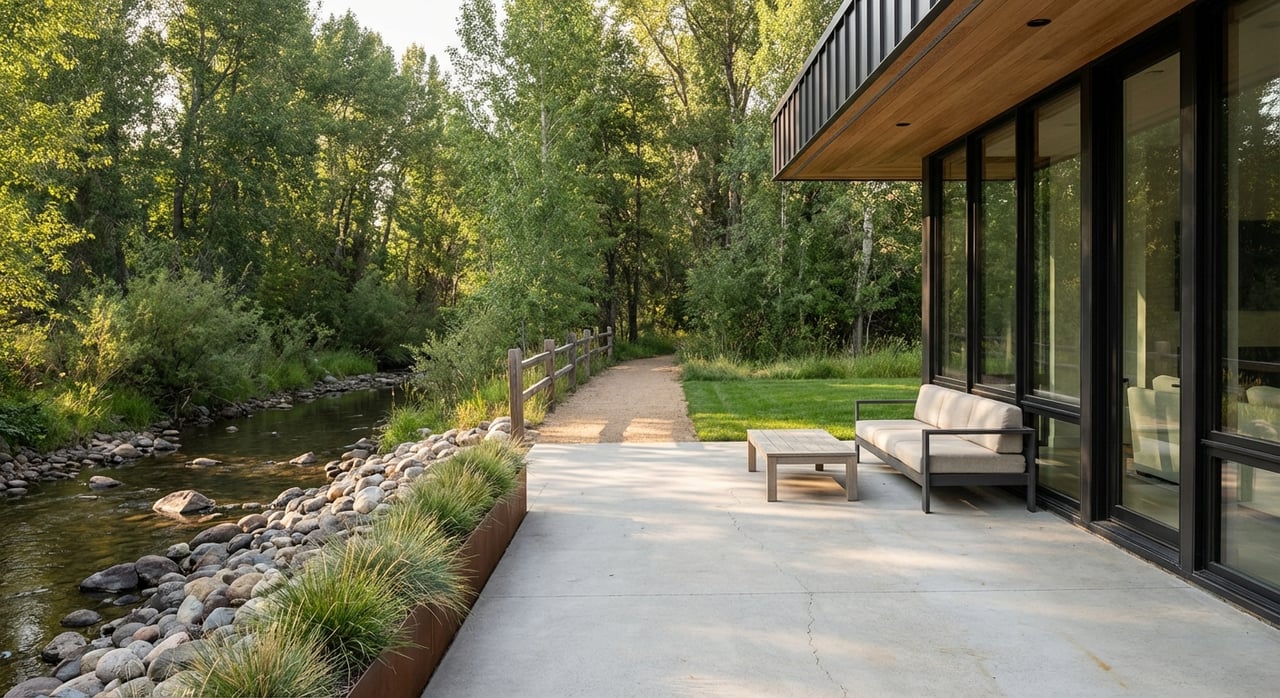
Looking for a Colorado hideaway where river life, acreage, and privacy meet quick access to Aspen? If you want the calm of open meadows and the Roaring Fork, yet the ability to be in town in minutes, Woody Creek belongs on your short list. In this guide, you’ll learn where Woody Creek sits, what life feels like here, the types of properties you’ll find, and the key due diligence that matters. Let’s dive in.
Woody Creek is an unincorporated hamlet in Pitkin County set along the Roaring Fork River at the northwest end of the valley. The area blends old ranching roots with a small cluster of homes, ranchettes, and riverfront estates, creating a rural identity that is distinct from downtown Aspen. Cultural touchpoints like the storied Woody Creek Tavern and references to Hunter S. Thompson’s “Owl Farm” add to its lore. For a concise overview of place and history, see the Woody Creek entry on Wikipedia.
From Woody Creek, you’re roughly 7 to 9 miles from Aspen, or about 10 to 20 minutes by car depending on route and traffic. You can confirm typical drive options with Rome2Rio’s route overview. Many residents also use the Rio Grande Trail for a relaxed bike or e‑bike ride into town, which makes errands and dinners in Aspen easy when the weather cooperates.
For car‑free travel, RFTA operates local bus service that connects Woody Creek with Aspen and Snowmass. Service within the local zone is free, which makes the hamlet more transit‑connected than many rural second‑home areas. Check the RFTA Woody Creek route and the Rio Grande Trail information for current schedules and e‑bike rules, since regulations vary by section.
If you love to move, this corridor delivers. The Rio Grande Trail is a 42‑mile multi‑use path stretching from Glenwood Springs to Aspen, and one of its popular segments runs right through Woody Creek. That gives you a low‑stress way to ride, walk, or jog along the river without getting in the car.
Head up the Woody Creek and Lenado corridor for hiking and equestrian access into the White River National Forest. Trailheads place you quickly into higher country where aspen groves, conifer stands, and quiet creek bottoms set the tone. In winter, many residents shift to snowshoeing and cross‑country laps along calm valley sections when conditions allow.
Anglers are drawn to the Roaring Fork’s renowned trout fishery. Portions of the river below the Fryingpan confluence are designated as Gold‑Medal Water, a mark of high‑quality cold‑water fishing. Keep in mind that much of the riverbank is private. If river access matters to you, verify deeded rights, nearby public access points, and seasonal fishery guidance before you buy.
Woody Creek presents a distinct mix of properties compared with in‑town Aspen. You’ll see:
This is very much part of the high‑end Aspen market. ZIP code 81656 appears in national roundups of the country’s most expensive ZIPs, reflecting the area’s multi‑million‑dollar profile and low inventory. For context, see Architectural Digest’s summary of top‑priced ZIP codes in the U.S. Always confirm current pricing with live MLS data and recent comps.
Buying in Woody Creek is as much about the land and its rights as it is about the home. Here are the practical checks you should expect to complete.
Pitkin County uses a growth‑management framework and a Transferable Development Rights (TDR) program that can affect how large you can build. Historically, one TDR has been treated as enabling about 2,500 square feet of additional floor area, but details change with code updates. Verify your parcel’s status, receiver‑site eligibility, and any recorded TDR certificates with the county. Start with Pitkin County’s Growth Resources and Data page, and speak directly with Community Development before you rely on listing claims.
In Colorado, water is a separate legal asset governed by prior appropriation. Many Woody Creek properties include ditch shares or on‑site wells that are essential for irrigation and landscape plans. Shares can carry transfer restrictions, and value often hinges on historical consumptive use. Before you buy, verify adjudications, bylaws, and whether shares are severable. For background on how Colorado treats water and value, review this primer from Water Education Colorado: A Price for the Priceless.
Riverfront living requires floodplain diligence. Map the parcel in FEMA’s Flood Map Service Center to understand regulatory zones and insurance implications. Pair that with local studies through Pitkin County for the most accurate picture. A good starting point is FEMA’s flood mapping FAQ, then consult your engineer, insurer, and the county for site‑specific guidance.
Many Woody Creek homes use private wells, septic systems, and propane or mixed utilities. Some older cabins or remote holdings lean more off‑grid. Confirm utility service areas, storage tank locations, well yields, and septic permitting. Budget for ongoing maintenance, and plan upgrades in line with county health and building requirements.
This is a mountain environment with active fuel loads. Order a defensible‑space assessment, plan vegetation management, and confirm local fire district policies. Pitkin County’s Land Use resources provide guidance and contacts for rural living and wildfire planning. Begin with the county’s Land Use page, then consult specialists for site‑level strategies.
Gold‑Medal status speaks to fishery quality, not universal bank access. Much of the Roaring Fork’s bank in this reach is private. If backyard fishing matters, verify your deeded riparian access and map nearby public entry points. Respect closures and seasonal advisories to protect fish health.
Both locations are close, yet they deliver different daily rhythms. Consider these contrasts as you shape your search:
The takeaway: You can live quietly in Woody Creek and be in Aspen within minutes by car, bike, or bus. If you want a discreet base with big‑sky views and room to roam, this balance is hard to beat.
Choose Woody Creek if you value:
Also consider:
Ready to explore properties or discuss a discreet search strategy? The Engel Lansburgh Team pairs senior‑level guidance with premium marketing and off‑market access to help you navigate Woody Creek and the wider Aspen area with confidence.
Stay up to date on the latest real estate trends.