Old Snowmass Living: Space, Privacy And Big-Sky Views
February 5, 2026
February 5, 2026
Craving elbow room near Aspen without giving up access to trails, rivers, and mountain views? If you want acreage, privacy, and a quieter pace, Old Snowmass may be the sweet spot. You get country living with the Roaring Fork Valley at your door. In this guide, you’ll learn what life looks like here, how access and utilities work, and the key checks that help you buy with confidence. Let’s dive in.
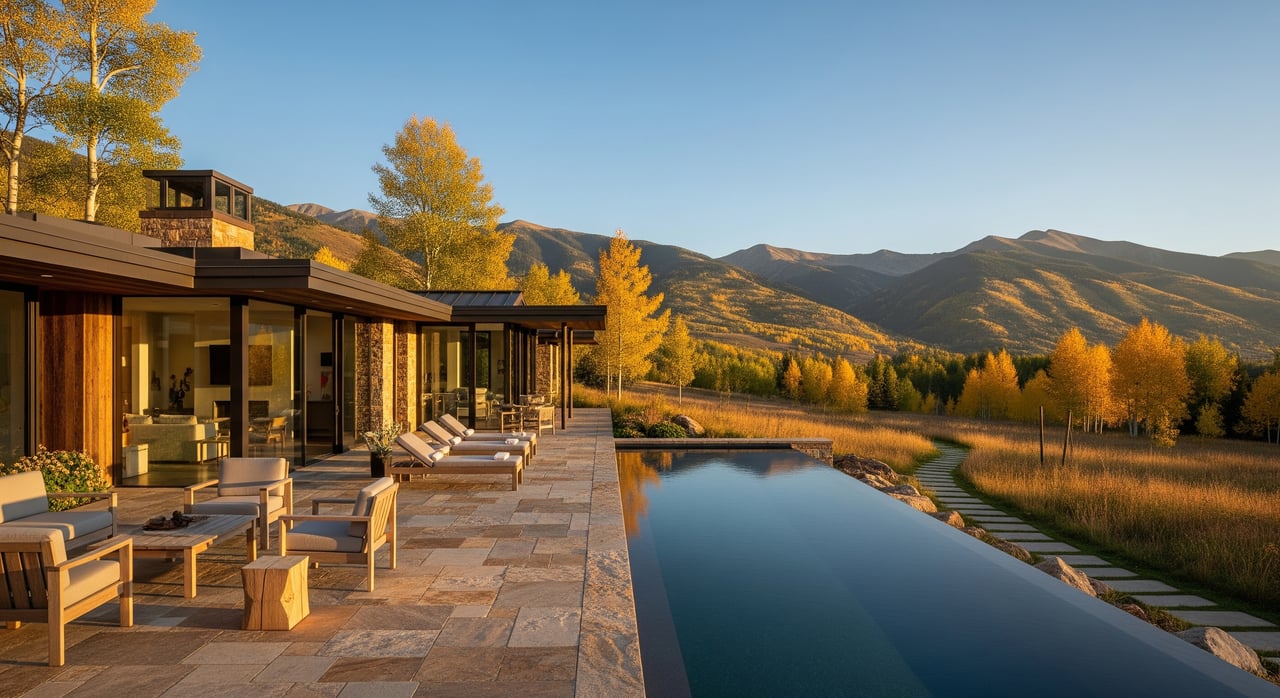
Old Snowmass sits in unincorporated Pitkin County with a low-density, rural feel. You’ll see irrigated meadows, working ranches, and large estate parcels set against big-sky views of the Elk and Sawatch ranges. Many properties span multiple acres, which helps preserve privacy and quiet.
Conservation groups have helped protect sections of the valley floor. That adds to the sense of open space and can protect viewsheds. It can also limit future development near you, which many buyers value.
You can expect a relaxed rhythm with quick access to outdoor fun. Many owners ride horses, hike, bike, or cross-country ski from home or within a short drive. Some parcels touch public land or sit near local trailheads, while others are a few minutes away by car.
Day-to-day services are in nearby towns. You’ll find grocery options, healthcare, and other essentials in Basalt, Carbondale, and Aspen. Commute times and distances vary by parcel, so map your typical routes before you buy.
Winter is part of life. County and state crews plow public roads, but private drives and interior roads are your responsibility. Plan for winter-ready vehicles and snow removal.
Horses are part of the culture here. Many properties allow agricultural and equestrian uses, with barns, paddocks, corrals, arenas, and hay storage common on larger parcels. If horses matter to you, focus on land that already has the right infrastructure or can support it.
Living along the Roaring Fork River or its creeks offers fishing, views, and calming sound. River life also brings added diligence. You’ll want to review riparian setbacks, local stream-buffer rules, and FEMA floodplain maps. Erosion and high runoff years can change a river’s behavior, and flood insurance may be recommended or required.
Water rights are a separate legal matter in Colorado. Some parcels include irrigation ditches and senior rights for hay meadows. Others have only domestic water. Confirm exactly what conveys with a purchase and how water can be used.
State Highway 82 is the main corridor in the Roaring Fork Valley. From there, Old Snowmass properties connect via county roads and private driveways. Many roads are paved, while some rural routes are gravel. Private roads and driveways typically require owner-maintained plowing and upkeep.
Winter driving is part of the lifestyle. Snow and ice can affect travel times and access. Make sure you understand grade, exposure, and maintenance responsibilities for your specific driveway or private lane.
Commute times vary by location, season, and traffic. A general range to Aspen or Snowmass Village is 15 to 45 minutes or more. Your actual time depends on proximity to Highway 82, weather, and peak-season traffic.
Public transit in the valley is available through regional routes, but service in rural areas is less frequent than in town cores. If you fly in often, check drive time to Aspen/Pitkin County Airport and confirm seasonal schedules.
Many rural parcels rely on private wells for water and on-site septic for wastewater. Some homes connect to community water systems. Power is typically provided by regional utilities, and you may see overhead lines on acreage parcels.
Broadband and cell coverage vary by location. Do not assume high-speed internet across the board. If remote work matters, confirm providers, review coverage maps, and test speeds on site.
Old Snowmass sits in unincorporated Pitkin County. Building permits, land use approvals, and well and septic permits run through county departments. Expect rules on minimum lot sizes, setbacks, accessory units, and agricultural structures.
Conservation easements are common in the valley and are recorded with the deed. Easements protect open space and limit development, which can be a major positive for views while shaping what you can build.
Water rights in Colorado are separate legal interests. If you are buying meadows or a ranch, confirm whether irrigation or ditch rights convey, and review any related assessments. Domestic water may come from a permitted well, which should have yield testing and current records.
For complex purchases, consider engaging a water attorney. A local surveyor or ditch company can also help confirm easements and delivery.
On-site septic systems are standard. Ask for permits, maintenance history, and recent inspections. If you plan to renovate or add bedrooms, you may need an upgrade or a new system. Soil tests and design can affect both cost and timeline.
The region has wildfire exposure. Plan for defensible space, ember-resistant upgrades, and periodic mitigation. Insurance availability and pricing can reflect both wildfire and flood risk, so check insurability early in your due diligence.
Flood exposure along rivers and creeks varies by parcel. Review FEMA maps and any county floodplain rules. Rivers can shift during high runoff, so ask about historical water behavior and elevations.
Compared with Aspen and Snowmass Village cores, Old Snowmass often delivers more land per dollar. Absolute prices can still be high given Pitkin County demand, but larger lots, ranch settings, and privacy are the draw.
Inventory for acreage ebbs and flows, with more listings in spring and summer. Properties with land can spend longer on market than in-town condos, especially when access or seasonality narrows the buyer pool. For specifics, review current MLS data, recent solds, and conservation or river adjacency factors that affect value.
When you are weighing acreage, water, access, and long-term value, experience matters. Our senior brokers guide you through rural due diligence so you can enjoy the lifestyle without surprises. We coordinate the right experts, from county planners to water and septic specialists, and we keep the process discreet and efficient.
If you are also selling, we leverage premium marketing and Compass Concierge to prepare your property for a top-tier result. We also track private and off-market opportunities that are often decisive in low-inventory acreage segments.
Ready to explore Old Snowmass with a trusted partner? Connect with the Engel Lansburgh Team to Request a Confidential Consultation.
Stay up to date on the latest real estate trends.