West End Living: Culture, Walkability and Quiet Streets
December 18, 2025
December 18, 2025
Do you want to stroll to world-class concerts, step out to dinner, then come home to a quiet, tree-lined street? If you love culture and convenience but value calm at the end of the day, Aspen’s West End Historic District delivers a rare blend. You will find historic charm, walkable amenities, and a genuine neighborhood feel in one of Aspen’s most sought-after locations. In this guide, you will learn what daily life looks like, how walkable it is, and what to expect when buying in a historic district. Let’s dive in.
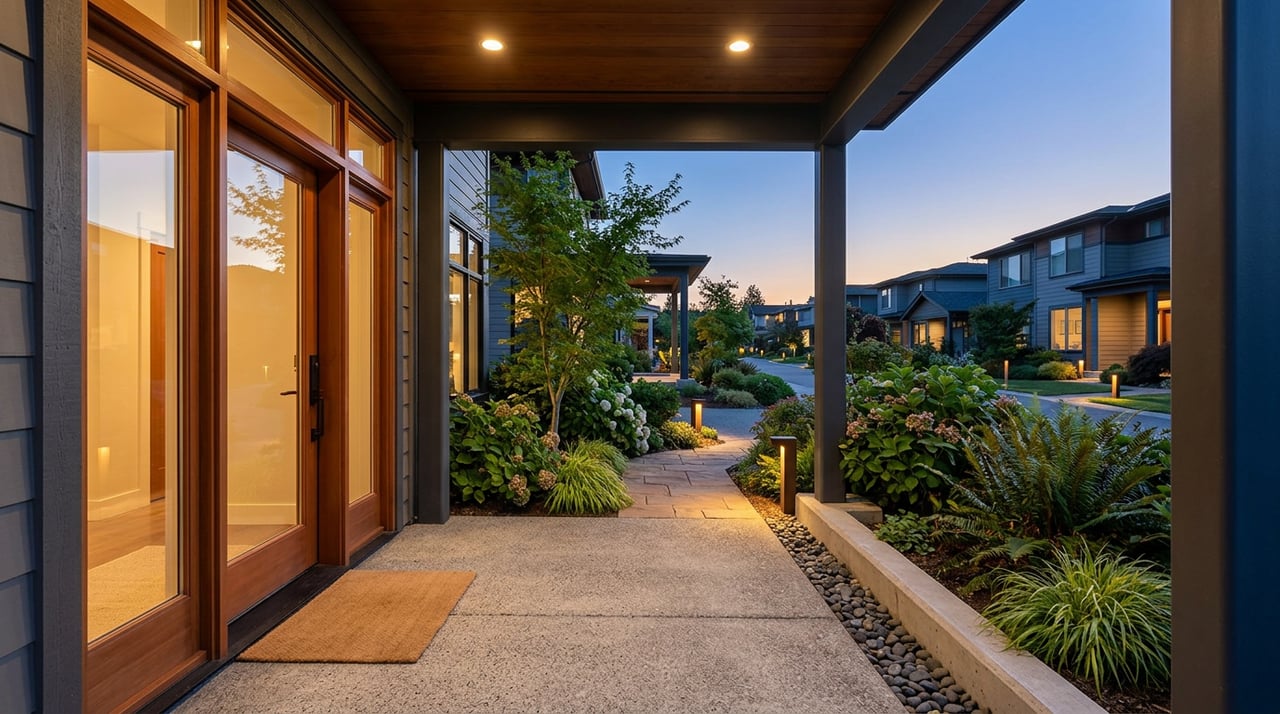
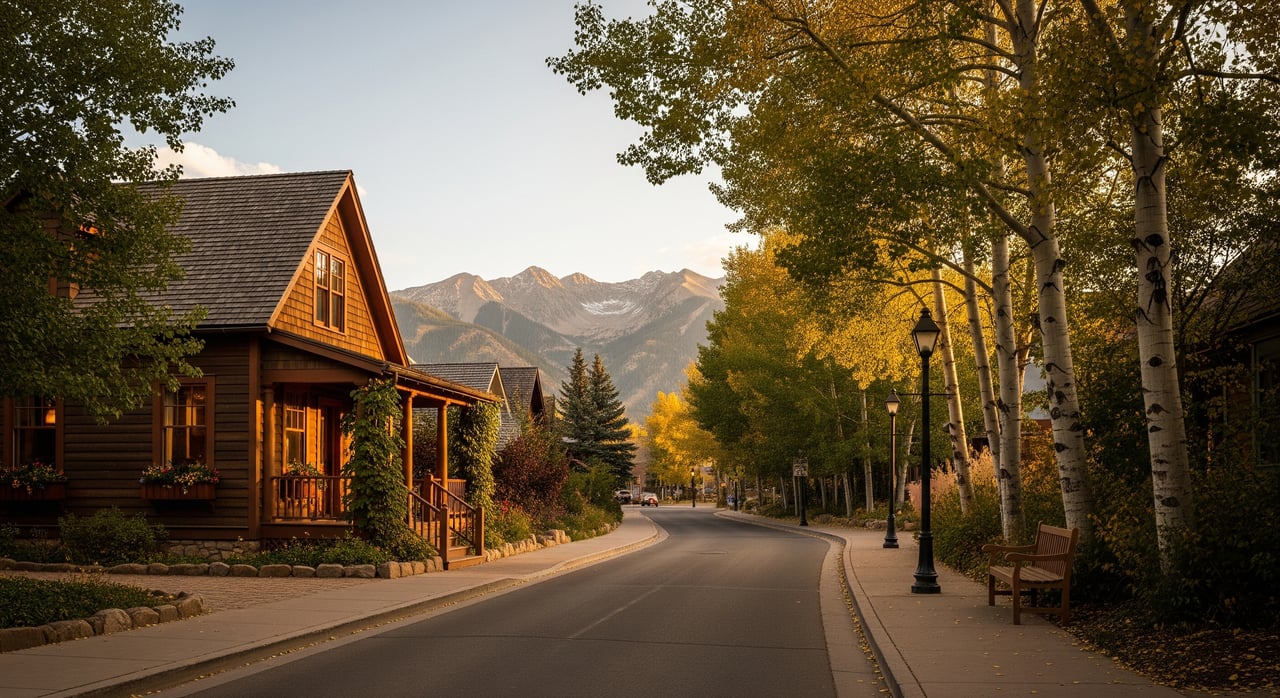
The West End sits immediately west of downtown Aspen in Pitkin County. It is one of Aspen’s oldest residential areas, known for Victorian miner cottages, early remodels, and thoughtfully designed contemporary homes. Streets are narrow and shaded with mature trees, and many homes feature welcoming front porches.
You feel the difference as soon as you turn off Main Street. The West End is primarily residential and quieter than the commercial corridors. That calm, paired with close access to culture and dining, is the neighborhood’s signature.
If walkability matters, this area checks the box. From many West End blocks you can be at favorite cultural spots or downtown dining in minutes.
The Aspen Institute campus sits close to the neighborhood and hosts public talks, seminars, and seasonal programs. For many residents, the ability to walk from the porch to a thought-provoking evening event is a defining lifestyle perk.
The Aspen Music Festival & School brings energy to the season, with performances at the Benedict Music Tent and events at venues that include Wagner Park. From much of the West End, reaching these sites is an easy walk, often about 5 to 15 minutes depending on your block and the route you choose. On concert days, expect more pedestrians and cars near venue corridors.
Public green spaces and riverfront paths are close at hand. The Rio Grande Trail corridor runs through the Aspen area and offers relaxed walking and biking options. You can link in-town trails and riverfront paths to reach downtown, local parks, and recreation routes without getting in the car.
Shops, galleries, restaurants, and services on Hyman Avenue and Main Street are typically a short walk or quick bike ride. Grocery runs and coffee meet-ups can be part of your daily routine with minimal driving. Exact times vary by your block, but many residents plan most errands on foot.
A big part of the West End’s appeal is its rhythm. When festivals and peak seasons taper, most blocks feel peaceful and residential. Mature trees, small lot sizes in many areas, and porches create a classic neighborhood atmosphere.
You will see a mix of preserved historic cottages alongside modern infill and upscale renovations. That contrast gives the streetscape texture without losing the historic feel that defines the district. Outside major event windows, the day-to-day cadence is unhurried.
You can live car-light here, especially for local trips.
The Roaring Fork Transportation Authority provides local transit in Aspen and regional connections throughout the valley. In-town shuttle and bus options are available, which many West End residents use alongside walking and biking. Routes and schedules change seasonally, so plan ahead for winter and summer timetables.
With the Rio Grande Trail connections and in-town paths, biking to downtown or parks is straightforward. Many residents keep a cruiser for everyday errands and reserve the car for longer valley trips.
Snow and ice can change your routine. Sidewalks and driveways need consistent clearing, and you should factor in winter gear for walking and traction. Local snow-plow priorities focus on primary routes, so know your street’s schedule and plan accordingly.
Parking and access vary by block and by the age of the home.
Because many streets are residential and narrow, parking rules, seasonal restrictions, and resident permits may apply. If you will host guests, understand nearby on-street availability and any overnight rules. Confirm current regulations with the City of Aspen before you buy.
Older lots often have limited driveway or garage space. Some homes rely more on street parking or alley access. Match the property’s parking capacity to your household vehicles and your entertaining plans.
Municipal services typically include water, sewer, trash and recycling, and snow removal on primary routes. Broadband and cell coverage are generally available across the neighborhood, but performance inside older structures can vary. If you plan a remodel or home office setup, verify providers and upgrade options early.
This is a historic district, which protects neighborhood character and guides redevelopment.
Exterior changes that are visible from public ways often require design review and approvals through the Historic Preservation Commission. That may include alterations to facades, roofs, porches, or windows. Build time for review and permitting into your schedule, and expect to follow design guidelines that preserve historic character.
Lot sizes can be smaller or irregular compared to suburban neighborhoods. Setbacks and floor-area-ratio limits apply, and landmark preservation rules can influence massing and design. Adding square footage or replacing structures can be feasible, but it requires careful planning with zoning and preservation in mind.
Many buyers balance renovation to retain historic charm with targeted new construction for modern comfort. A preservation-aware architect and contractor can help you evaluate what is possible on a specific parcel, estimate timelines, and forecast costs. Early due diligence prevents surprises.
Property taxes are determined at the parcel level by Pitkin County. If you plan to rent, know that short-term rental regulations have evolved in Aspen and the county. Licensing, caps, or zoning restrictions may apply, so confirm the current rules before relying on rental income.
Life in the West End shifts with Aspen’s seasons, and planning ahead keeps it smooth.
Cold weather affects driving, heating, and maintenance. Older homes might have higher winter heating costs unless they have been weatherized. Review insulation, windows, and systems during due diligence, and ask about snow removal responsibilities for sidewalks and alleys.
Summer festivals and winter peaks bring energy, visitors, and occasional noise near venues. Expect more activity on certain days, especially close to the Benedict Music Tent and downtown areas. Outside those windows, the West End’s quieter pace returns.
Parts of Aspen sit near the Roaring Fork River and associated floodplain. Before you buy, review FEMA flood maps and Pitkin County floodplain regulations for the specific lot. Flood insurance requirements and elevation can affect both permitting and long-term costs.
Use this quick list to focus your search and diligence.
Buying in the West End benefits from hyperlocal knowledge and a steady hand. The Engel Lansburgh Team pairs boutique, senior-broker attention with modern marketing and technology to streamline your search. We help you understand street-by-street nuances, assess renovation and design-review considerations, and access on and off-market opportunities that fit your lifestyle.
If you are exploring a move to the West End Historic District, we would love to be your trusted guide from the first walk to the final signature. Reach out to the Engel Lansburgh Team to Request a Confidential Consultation.
Stay up to date on the latest real estate trends.