East Aspen Homes: Space, Privacy And Room To Build
May 21, 2026
May 21, 2026
If you want more breathing room in Aspen without losing easy access to town, East Aspen deserves a close look. This part of the market often appeals to buyers who want privacy, larger lots, and a residential setting that still feels connected to Aspen’s core. In this guide, you’ll get a clearer picture of how East Aspen fits into the local market, what “room to build” really means here, and what to verify before you make a move. Let’s dive in.
East Aspen sits within Aspen’s formal planning area and Urban Growth Boundary, not outside it on a separate rural fringe. That matters because east-side properties are still part of Aspen’s core land-use and infrastructure framework.
For many buyers, that creates an appealing balance. You can find a more spacious residential feel while still staying close to downtown Aspen and its daily conveniences.
East Aspen is a high-price, low-inventory segment of the Aspen market. As of April 2026, the East End snapshot showed 20 active listings, a median listing price of $14.45 million, a median price per square foot of $4,117, and a median 98 days on market.
Those numbers point to a competitive niche for buyers seeking premium residential property with land, privacy, and long-term lifestyle value. Inventory is limited, so the right opportunity may require patience and strong local guidance.
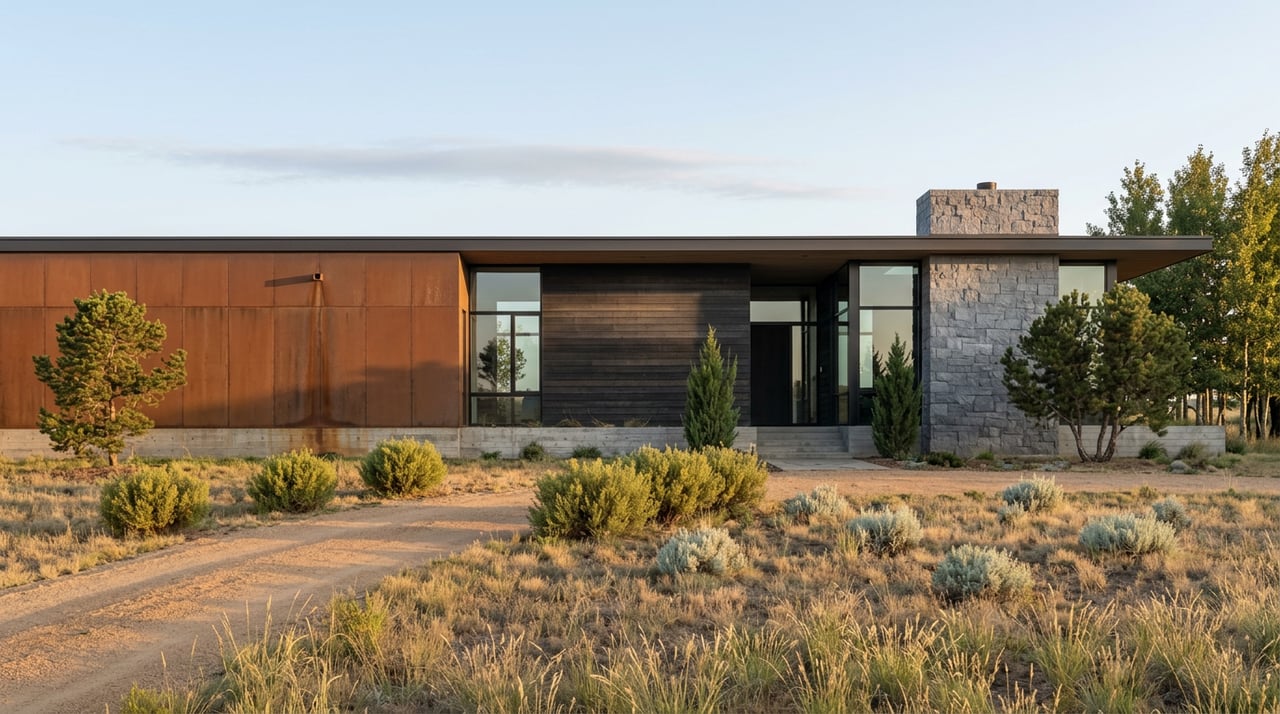
One of East Aspen’s biggest draws is the range of home and lot sizes currently seen in the market. Representative inventory has ranged from about 2,800 to 10,400 square feet, with lots from roughly 0.34 acre to 12.76 acres.
The market has also included rare estate-scale offerings, including a 74-acre compound just outside downtown. Taken together, those listings suggest East Aspen is one of the stronger Aspen submarkets for buyers who prioritize land, screening, and privacy.
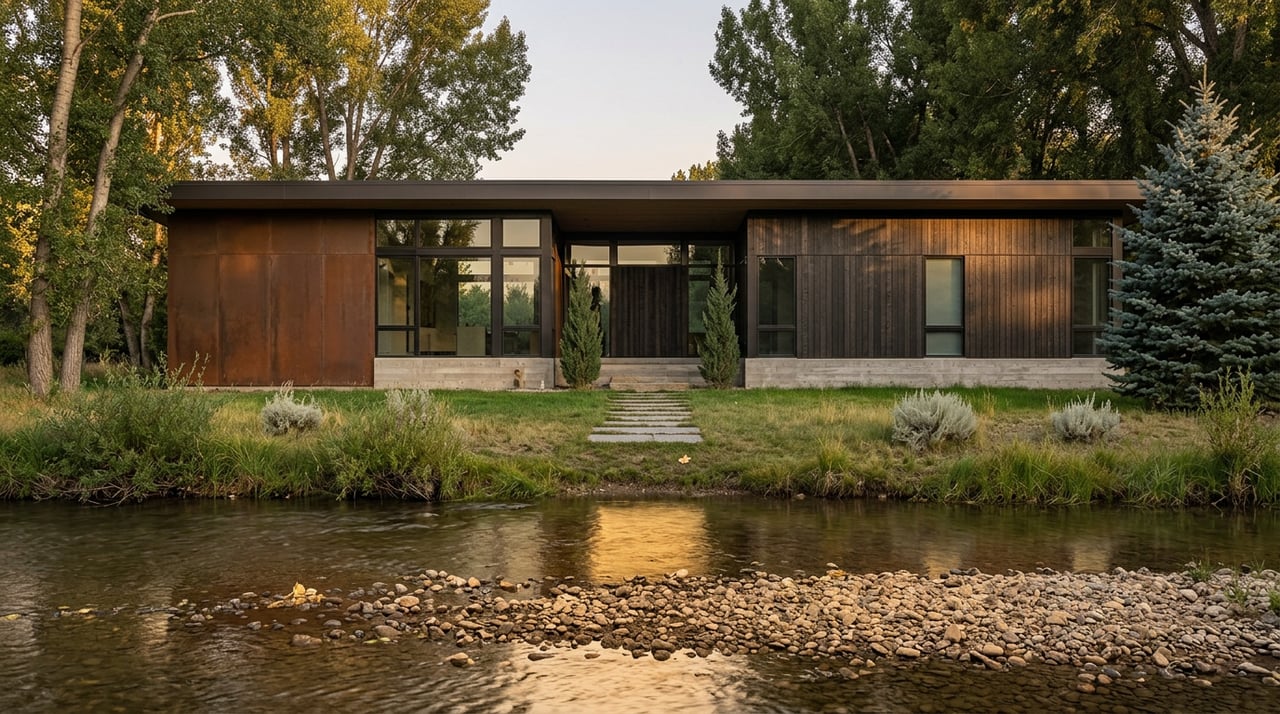
East Aspen is not simply about bigger parcels. It can also offer a sense of separation from busy corridors while keeping town access practical.
For example, a sample East of Aspen listing was located about 1.5 miles from downtown, screened from Highway 82, and paired with a dedicated bike path. That kind of setup helps show why the area often appeals to buyers who want both privacy and convenience.
For many second-home and lifestyle buyers, East Aspen’s appeal goes beyond the home itself. The east side places you near notable open space and trail access that can shape how you use the property year-round.
North Star Nature Preserve is a 245-acre preserve managed by Pitkin County and the City of Aspen. It includes a designated beach, a loop trail, and an observation deck, and it borders the East of Aspen Trail.
The East of Aspen Trail runs along the eastern side of North Star and connects Aspen with Difficult Campground. Leashed dogs are allowed on the trail, though dogs are not permitted inside the preserve itself.
East Aspen also benefits from Aspen’s broader trail network. Nearby and regional access includes routes tied to Independence Pass, Aspen Mountain, Hunter Creek, Smuggler Mountain, Red Mountain, Sunnyside, and Buttermilk.
The Rio Grande Trail links Aspen to Glenwood Springs for 42 miles. While not exclusive to the east side, that wider network adds to the appeal for buyers who value recreation and easy outdoor access as part of daily life.
If you are considering East Aspen as a seasonal or second-home base, it is important to understand Independence Pass access. CDOT reopened Independence Pass for the 2025 summer season on May 22, 2025, and the road closes in winter.
Aspen describes the pass as a main summer thoroughfare for access to town. In practical terms, seasonal road conditions can shape how you plan travel and arrival patterns during different parts of the year.
The phrase “room to build” can be attractive, but in Aspen it should never be treated as automatic. In East Aspen, larger lots may create more possibility, but buildability is still parcel-specific.
Before you assume you can expand, renovate, or replace a home, you need to verify the exact zone district, whether a Planned Development overlay applies, and whether the lot falls within environmentally sensitive areas or the mountain view plane. City staff specifically advises using the Planning and Zoning map to review zone district, parcel data, and ESA layers.
A larger parcel does not always translate into a larger build envelope. Aspen’s code examples show that buildable area can depend on net lot area, slope deductions, and exemptions, not just gross lot size.
In one city example for an R-15A submission, a 6,001-square-foot gross lot netted to 4,655 square feet after slope deductions. The takeaway is simple: in Aspen, usable development potential has to be calculated on a parcel-by-parcel basis.
Aspen’s 2022 residential code update changed redevelopment math in important ways. The city tightened demolition and redevelopment standards, created a demolition allotment for single-family and duplex units, and changed how floor area and affordable-housing mitigation are calculated.
That means you should not assume an older East Aspen home can simply be replaced with a larger one. Any serious evaluation of value-add potential should include a fresh code review tied to the specific parcel.
As of April 23, 2026, Aspen’s new wildfire resiliency code applies to building permits submitted after that date. The city says the code covers elements such as Class A roofs, ignition-resistant wall assemblies, ember-resistant vents, and defensible-space style requirements around structures.
For East Aspen properties with trees, slopes, or both, these standards may be an important part of renovation or rebuild planning. They can affect scope, materials, design choices, and total project cost.
East Aspen is often seen as a more flexible residential option than some historic areas of Aspen, but historic review can still matter on certain parcels. If a property has historic designation, it may require Historic Preservation Commission review.
That process can involve review of development, demolition, relocation, and dimensional variations. In selected historic-property cases, the code also allows up to 500 additional square feet of allowable floor area, which is another reason parcel-level due diligence is essential.
For buyers deciding between East Aspen, the West End, and the Central Core, the differences are meaningful. East Aspen often attracts buyers who want a residential setting with more land, more screening, and fewer assumptions tied to commercial or district-specific constraints.
Compared with the West End, East Aspen parcels more often follow ordinary residential-zone review unless a specific historic designation applies. In the West End and other designated historic settings, the Historic Preservation Commission plays a larger role in development review.
If your priority is flexibility for a residential property search, East Aspen may offer a more straightforward starting point. That said, you still need to verify zoning, historic status, ESA issues, mountain view plane impacts, and wildfire standards on any specific property.
Central Core parcels are shaped by a different framework. Aspen’s commercial and historic design standards apply to multiple commercial districts, and the Commercial Core district includes second-tier commercial-space requirements ranging from 20 percent to 75 percent.
For most buyers focused on a private residential property, East Aspen offers a very different ownership context. It is generally better aligned with buyers who want a home-centered setting rather than a core-area property subject to commercial-use and facade scrutiny.
East Aspen can make particular sense if you are looking for a home that combines privacy, outdoor access, and proximity to downtown Aspen. It often suits buyers who want a second home, legacy property, or full-time residence with more land and a quieter residential feel.
It may also be a strong fit if you are exploring renovation or custom-home potential, as long as you go into the process with realistic expectations. In this market, the opportunity is real, but so is the need for disciplined due diligence.
If East Aspen is on your shortlist, it helps to ask targeted questions early. A thoughtful review can save time and help you compare properties more accurately.
Consider asking about:
East Aspen offers something many Aspen buyers are chasing: space, privacy, and the possibility of more. It stands out for its range of lot sizes, residential setting, trail access, and close-in convenience, all within Aspen’s core planning framework.
At the same time, “room to build” in Aspen is never just about acreage. The real answer depends on zoning, overlays, environmental constraints, slope calculations, historic status, and current code requirements.
When you evaluate East Aspen with that full picture in mind, you are much more likely to identify the right property and avoid costly assumptions. If you want discreet guidance on East Aspen homes, land potential, or off-market opportunities, connect with the Engel Lansburgh Team.
Stay up to date on the latest real estate trends.