Missouri Heights Homes and Land: A Buyer’s Guide
May 7, 2026
May 7, 2026
If you are drawn to Missouri Heights for the views, you are not alone. This high mesa above the Roaring Fork Valley offers the kind of open sky, privacy, and land that can feel hard to find closer to the valley floor. But buying here takes more than falling in love with a ridgeline panorama. You also need to understand how water, access, septic, and elevation affect daily use and long-term value. Let’s dive in.
Missouri Heights is not a typical neighborhood with one clear housing pattern. It is a broad mesa of about 24 square miles, located roughly 5 miles northeast of Carbondale and above El Jebel and the Highway 82 corridor. The area averages about 7,360 feet in elevation and sits around 600 feet above the valley floor.
That setting explains much of its appeal. You get expansive views, a more open feel, and a retreat-like atmosphere that differs from lower-elevation areas nearby. It also explains why conditions on the mesa can feel different from what you may expect in Carbondale or El Jebel.
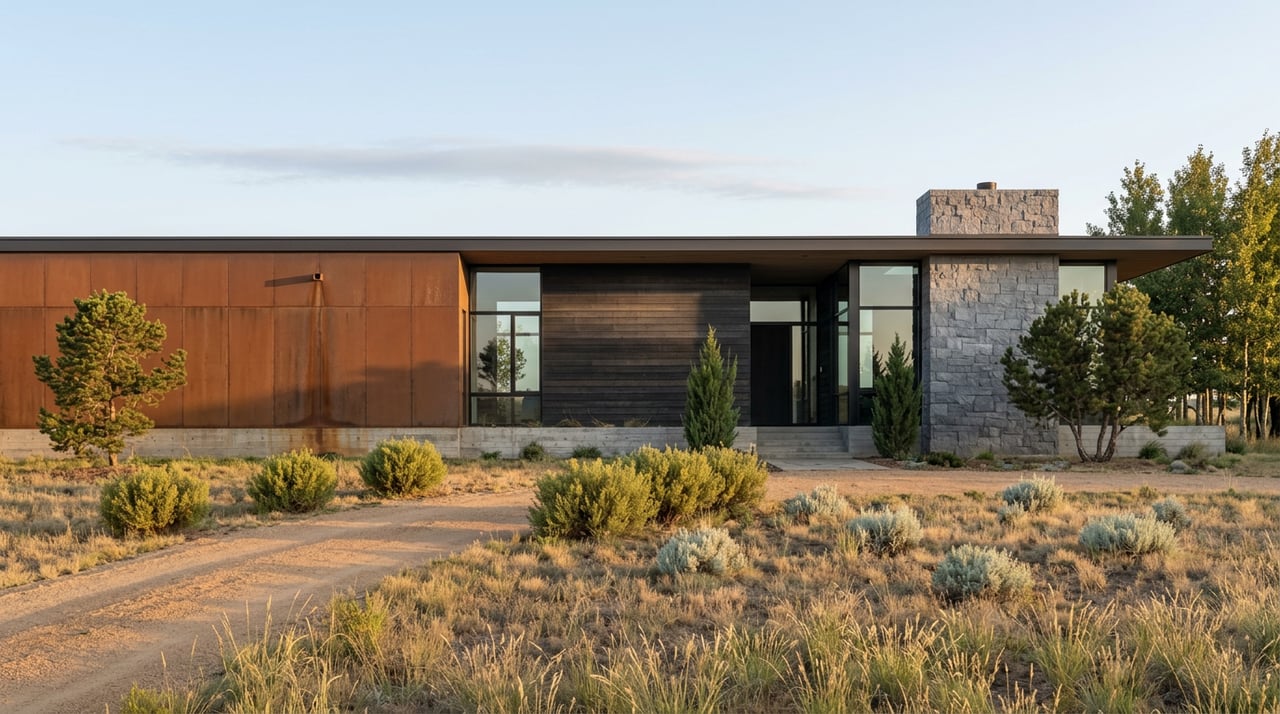
For many buyers, Missouri Heights checks several boxes at once. You may find acreage, privacy, and wide mountain and valley views, all within reach of the broader Roaring Fork Valley. That combination makes the area especially appealing for ranch, equestrian, and second-home buyers looking for space and a sense of separation.
The area also reflects its agricultural roots. Historically, Missouri Heights was used for hay, pasture grass, and cattle, and over time some ranches were divided into smaller parcels, subdivisions, ranchettes, and individual homesites. As a result, the market includes a mix of property types rather than one predictable product.
A Missouri Heights property can look very different from one listing to the next. Some parcels are larger ranch-style holdings with usable land, while others are subdivision lots or single-lot homes with private systems. That variety is part of the appeal, but it also means two homes near each other may function very differently.
In practical terms, buyers often see a few broad categories:
The key is to look beyond acreage and views. A parcel may appear ideal on paper, but its day-to-day usefulness often depends on the details behind the land.
In Missouri Heights, water is one of the most important parts of due diligence. The local system is not as simple as assuming every property works the same way. Water rights and supply arrangements can vary from parcel to parcel, even between nearby properties.
The Basalt Water Conservancy District notes that its contracts are designed to replace out-of-priority depletions and secure a legal water supply for contract holders, while the physical supply is usually obtained from wells or springs. That means the legal side of water and the physical source of water both matter.
If you are considering a ranch, horse property, or retreat-style parcel, the questions become even more important. You may need to understand not only domestic water use, but also irrigation history, ditch arrangements, stock-water rights, and how the property has been supported over time.
Missouri Heights groundwater is closely tied to irrigation history. Research from the Basalt Water Conservancy District found that imported agricultural water from Cattle Creek played a significant role in sustaining the aquifer. The same report notes that groundwater levels have risen and fallen with wet and dry periods.
This matters because if irrigated land dries up, imported water may be reduced, which can affect aquifer levels. For a buyer, that means pasture use and irrigation support are not side notes. They can shape how a property performs over time.
Before you move forward on a property, it is wise to review:
Colorado’s Division of Water Resources handles well permitting and reviews water-supply information for subdivisions and land-use actions. It also states that a well permit cannot be guaranteed until the required review is complete. That is a strong reminder to verify the details rather than rely on assumptions.
Private well buyers should also take water quality seriously. The Colorado Department of Public Health and Environment states that private wells are not regulated under the federal Safe Drinking Water Act, so the owner is primarily responsible for water safety.
A beautiful drive does not always mean simple access. Missouri Heights is served by a mix of county roads and rural connectors, including CR 102, known as Missouri Heights, and CR 113, known as Cattle Creek Road. Access may come from Highway 82 via El Jebel Road and Upper Cattle Creek Road, or from Garfield County via CR 102 and Fender Lane, depending on the parcel.
Garfield County maintains hundreds of miles of road and handles work such as snow and ice removal, grading, culvert work, and cattleguards. Even so, buyers should look closely at the specific road serving a property and how access works in practice.
When evaluating a Missouri Heights property, consider:
Garfield County has a driveway-permit process, which can affect new builds, remodels, and parcels where access improvements are needed. For many buyers, this is not just a planning detail. It is part of the property’s real value.
In Missouri Heights, septic and site planning can have a major effect on whether a property fits your goals. Garfield County requires new, repaired, and altered onsite wastewater treatment systems to be designed and installed under county regulations. Permit applications require a site and soil evaluation, system design, and site plan.
That matters whether you are buying vacant land, planning an addition, or simply trying to confirm future flexibility. A parcel with excellent views may still present meaningful limits if septic design, soils, grading, or access improvements are more complex than expected.
Garfield County also bundles several key approvals for a single-family dwelling, including building, driveway, grading, and onsite wastewater treatment permits. In addition, the county has announced new OWTS regulations taking effect on May 28, 2026, so current county rules should always be confirmed during a transaction.
Because Missouri Heights includes both older rural parcels and more recent residential subdivisions, zoning should always be reviewed on a parcel-by-parcel basis. Garfield County states that a property’s zone district is determined by the official zone district map, and overlay districts may also apply.
This is one of the biggest reasons buyers should avoid broad assumptions about the area. Two properties in Missouri Heights may share similar views and proximity, yet differ meaningfully in allowed use, development path, or site constraints.
The same elevation that creates Missouri Heights’ dramatic appeal also changes the climate. Colorado State University notes that temperatures generally decrease with elevation and precipitation generally increases with altitude. Using CSU’s general rule of thumb, Missouri Heights’ roughly 600-foot rise above the valley floor suggests about a 2-degree average cooling effect before local factors like slope, wind, and sun exposure are considered.
Some parts of the mesa rise above 7,500 feet, which CSU Extension treats as high-elevation terrain with cooler nights and a shorter growing season. In everyday terms, that can mean more weather exposure, more frost sensitivity, and a stronger need to think through landscaping, snow, and seasonal use.
Missouri Heights’ microclimate may influence:
These are not reasons to avoid the area. They are reasons to match the property to how you actually plan to use it.
If you are shopping specifically for a ranch or view property in Missouri Heights, the smartest approach is to weigh lifestyle appeal against site-specific function. The views may bring you in, but the lasting value often comes from confirming how the property works.
Focus on the fundamentals first:
In this market, those details often matter as much as finishes, square footage, or even parcel size. That is especially true for buyers who want a property that supports horses, pasture, retreat use, or year-round mountain living.
Missouri Heights offers a distinctive kind of Roaring Fork Valley ownership. You may find the views, privacy, and land that buyers often struggle to find closer to the valley floor, along with a setting that feels open, elevated, and deeply connected to the landscape.
At the same time, these properties reward careful review. Water, access, septic, zoning, and microclimate are not secondary details here. They are central to understanding what you are buying and how well it will serve your goals.
If you are considering a Missouri Heights ranch, ranchette, or view property, working with advisors who understand the area’s parcel-level differences can make the process far more efficient and informed. For discreet guidance on Missouri Heights and the broader Roaring Fork Valley, connect with the Engel Lansburgh Team.
Stay up to date on the latest real estate trends.