West Aspen Homes Near Schools for Family Living
May 14, 2026
May 14, 2026
Looking for an Aspen home that works for daily life, not just holiday weekends? West Aspen stands out because it gives you a rare mix of year-round practicality and mountain lifestyle, with access to schools, trails, transit, and ski areas in one scenic corridor. If you want more space without feeling cut off from town, this guide will help you understand why West Aspen deserves a closer look. Let’s dive in.
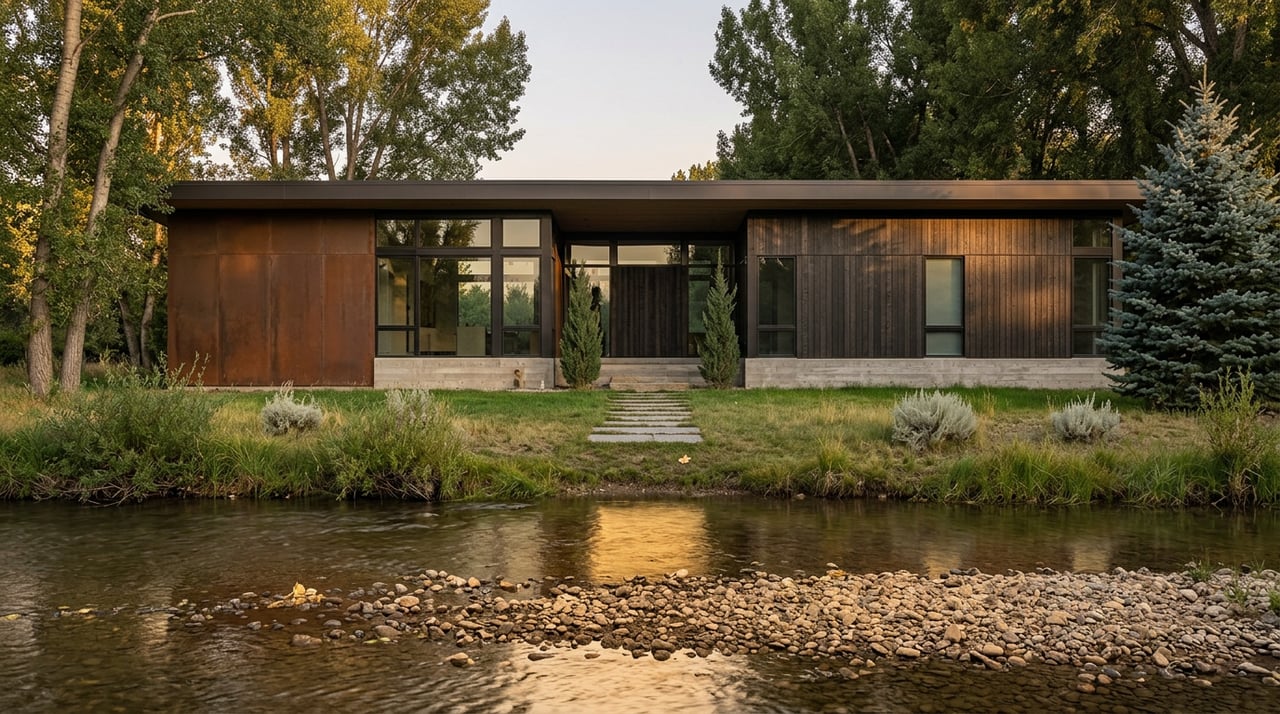
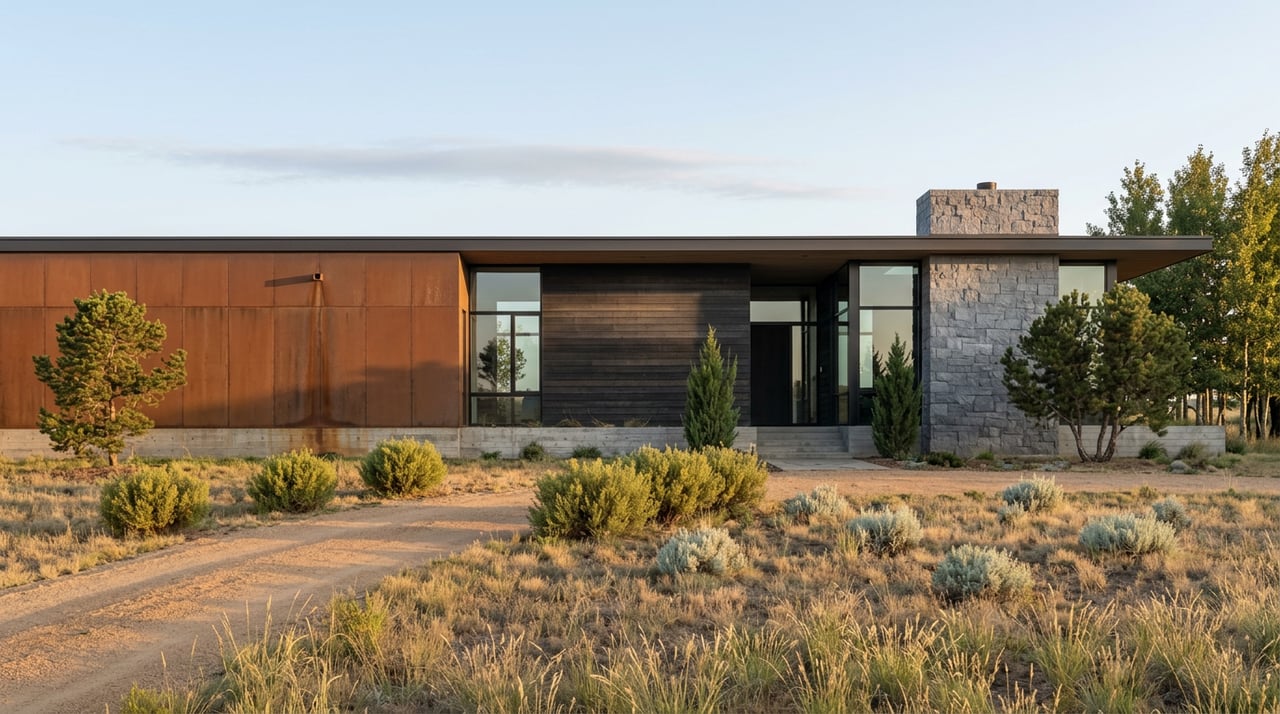
West Aspen is best understood as a low-density residential edge on the west side of Aspen, not a dense in-town neighborhood. Pitkin County planning describes this area as both a residential community and a recreation gateway, with access to cycling, hiking, horseback riding, nordic skiing, backcountry skiing, and mountaineering on U.S. Forest lands.
That planning framework helps explain why West Aspen feels different from central Aspen. The area is shaped by policies that emphasize scenic views, ridgelines, and a natural setting, so the overall character is more open and rural in feel. If you are searching for a primary home with breathing room, that distinction matters.
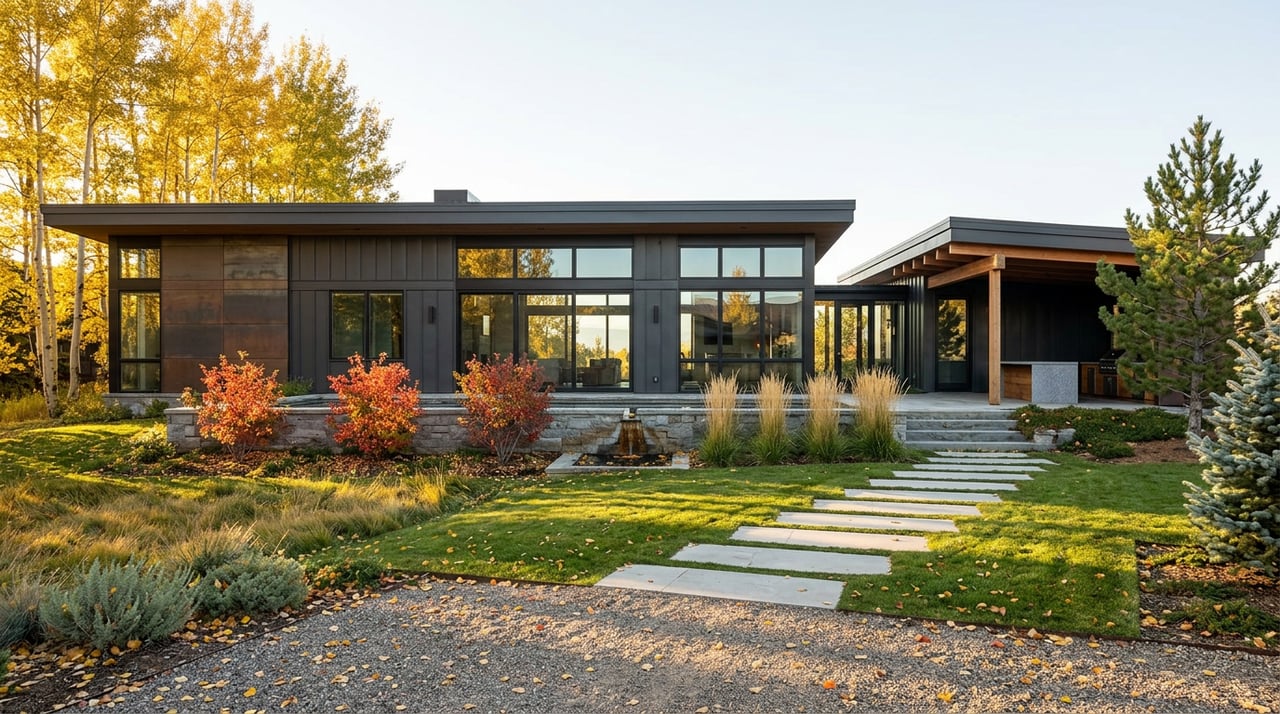
West Aspen also has a more restrained building scale than buyers sometimes expect in Aspen. In Upper Maroon Creek, county code sets a final maximum residential floor area of 5,750 square feet, which supports the corridor’s lower-density look and feel. For many buyers, that translates into a sense of privacy and visual calm.
For families thinking about school-day logistics, Aspen’s public school campuses are clustered in town. Aspen School District lists Aspen Elementary School for grades K-4, Aspen Middle School for grades 5-8, and Aspen High School for grades 9-12.
Aspen Elementary School is located at 235 High School Road, and Aspen Middle School and Aspen High School also list 235 High School Road as their address. That central cluster can make daily routines more manageable for West Aspen households, especially compared with longer school drives common in other mountain communities.
The district also lists The Cottage Pre-School for children ages 2 months to 5 years. For buyers planning beyond the immediate move, that broader age-range support can be part of the decision-making process.
Aspen School District also describes itself as an IB continuum, with authorization in the Middle Years Programme and Diploma Programme and candidate status for the Primary Years Programme. Aspen Elementary identifies itself as an IB World School in the Primary Years Programme. If educational continuity is part of your long-term plan, that is another practical point to note.
One of West Aspen’s biggest advantages is that school access does not have to depend entirely on car trips. The seasonal Highlands Direct shuttle is designed to serve Aspen Highlands Village, the Aspen Recreation Center, and Aspen schools via Maroon Creek Road.
The Castle/Maroon route also serves Aspen Highlands Village and the Aspen Recreation Center. For many households, that creates more flexibility around drop-offs, after-school activities, and day-to-day movement between West Aspen and town.
Aspen also offers broader transportation support that can reduce car dependence. The City of Aspen provides free shuttles, free buses between Aspen and the airport, and the Downtowner door-to-door service around town, while RFTA operates both the city shuttle network and regional service through the Roaring Fork Valley.
If skiing is part of how your household spends winter, West Aspen has a strong location story. You are positioned near two of Aspen’s most recognizable ski areas, but each serves a different kind of day on the mountain.
Aspen Snowmass describes Buttermilk as the most family-oriented of its ski areas. Official materials highlight endless greens and blues, The Hideout learning center, kids lessons, terrain parks, and X Games Aspen.
For families with younger skiers or beginners, that matters. Buttermilk offers a clear path for early skill-building, and RFTA’s Burlingame shuttle is described as a convenient option for reaching Buttermilk Mountain. In practical terms, that can support a smoother winter routine.
Aspen Highlands offers a different kind of appeal. Aspen Snowmass says the mountain is favored by locals, and while Highland Bowl is expert terrain only and requires a steep hike, the bigger takeaway for West Aspen buyers is convenience.
West Aspen residents can reach Aspen Highlands quickly, and there is also a direct shuttle link to Aspen Highlands Village. If your household wants easy access to a major ski area without giving up a quieter residential setting, that combination is hard to ignore.
The Rio Grande Trail is one of West Aspen’s strongest everyday lifestyle assets. The City of Aspen describes the Aspen-to-Emma segment as a paved, easy trail with a constant grade of no more than 3%.
That gentle grade makes the trail useful for more than recreation. Depending on where you live in West Aspen, it can support biking, running, walks, and routine outings with a lower barrier than steeper mountain routes.
The broader trail network extends well beyond Aspen itself. The city’s bike-and-walk information notes that Aspen’s trail system connects to Snowmass Village, Woody Creek, and Basalt, while RFTA describes the larger continuous Rio Grande corridor as 42 miles from Aspen to Glenwood Springs.
Seasonal bike share also adds flexibility. WE-cycle operates seasonally, and the first 30 minutes of each ride are free, which fits well with shorter in-town errands and casual rides.
West Aspen is not one single housing type. The area spans several distinct enclaves, and understanding that range can help you narrow your search more efficiently.
Maroon Creek is the clearest example of West Aspen’s large-lot residential character. Pitkin County’s master plan says that above the Highlands ski area, development on the valley floor consists mostly of single-family residences on parcels ranging from 2 to 12 acres, primarily in the 5- to 6-acre range.
The same plan specifically identifies Maroon Creek Ranch as eight lots in the five-acre range and Skyview as five lots in the two-acre range. If you are looking for an estate-style property with open land and a quieter setting, Maroon Creek is often the most natural fit within West Aspen.
Cemetery Lane presents a different side of the West Aspen market. RFTA operates a dedicated Cemetery Lane shuttle from Rubey Park to the residential area, which underscores its identity as a distinct neighborhood pocket.
Recent market examples in the research show smaller parcels and a wider mix of housing forms here, including single-family homes, multi-family property, homesites, and duplex-style inventory. For buyers who want a closer-in location with easier shuttle and trail connections, Cemetery Lane may offer a more practical match.
Double Bar X sits at the more secluded end of the West Aspen spectrum. Pitkin County’s vacant-land sales record includes a Stage Road PUD lot at 360 Coach Road with 4.21 acres, and additional market examples in the research describe this enclave with large-acreage ranch characteristics.
That makes Double Bar X best understood as a low-density, estate-scale setting rather than a conventional neighborhood. If privacy, land, and a more tucked-away feel are your top priorities, this enclave deserves attention.
West Aspen tends to appeal to buyers who want more than quick ski access. It is a strong fit if you are looking for a full-time or extended-stay Aspen home with room to spread out, easier ties to trails and transit, and practical access to the school campus cluster.
It can also suit second-home buyers who want a quieter setting than the downtown core. The key difference is that West Aspen is about balancing lifestyle and livability. You are not choosing between nature and convenience as sharply as you might in other mountain locations.
If you are considering West Aspen, it helps to focus first on how you want to live day to day. A buyer who prioritizes acreage and privacy may gravitate toward Maroon Creek or Double Bar X, while a buyer who values easier proximity to town and the Rio Grande Trail may find Cemetery Lane more compelling.
It is also worth thinking beyond the house itself. School access, shuttle routes, trail connections, and the type of ski experience your household actually uses can all shape which pocket of West Aspen feels right.
In a market as nuanced as Aspen, neighborhood-level guidance matters. The best opportunities are not always obvious from a map alone, especially when privacy, land use, and access all play a role in long-term value and daily enjoyment.
If you want help evaluating West Aspen with a sharper local lens, the Engel Lansburgh Team offers discreet, high-touch guidance for buyers seeking the right fit in Aspen and across the Roaring Fork Valley.
Stay up to date on the latest real estate trends.