West End Or Central Core? Comparing Aspen In-Town Living
June 11, 2026
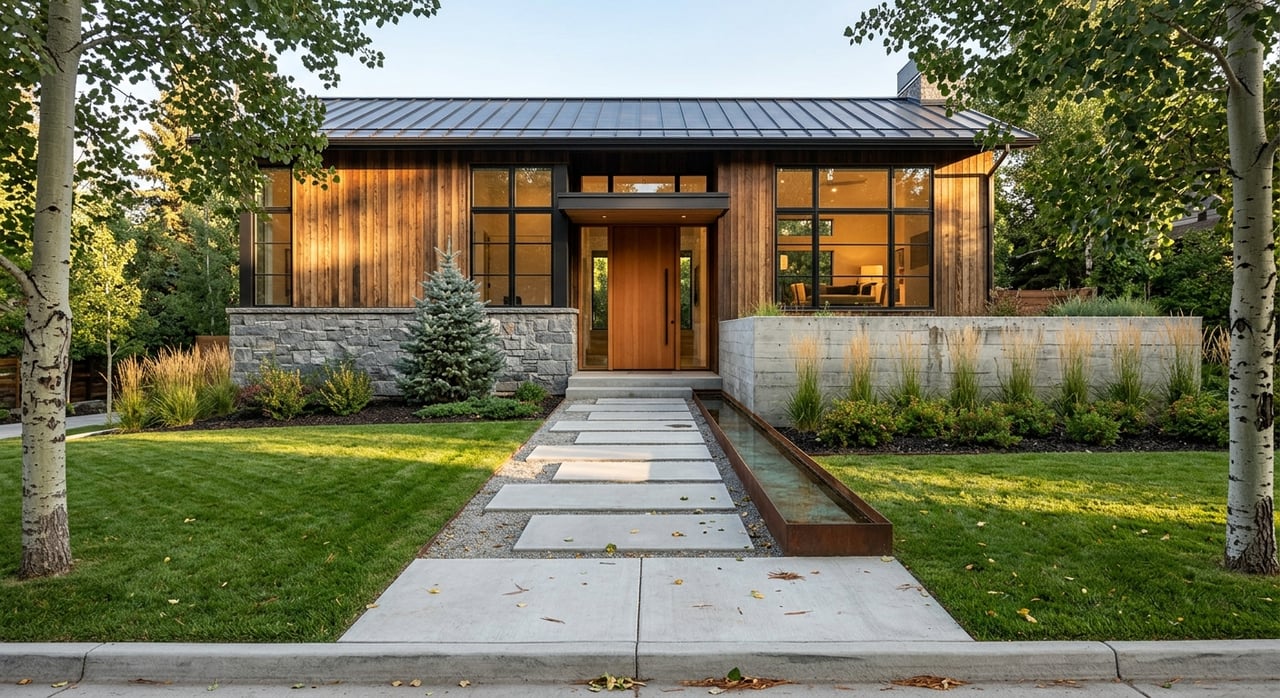
June 11, 2026
If you want an in-town Aspen home, one question tends to shape everything else: do you want a quieter residential setting or do you want to be in the middle of the action? Both the West End and Aspen’s downtown core, often associated with the Commercial Core Historic District, offer walkable in-town living, but the day-to-day experience feels very different. This guide will help you compare lifestyle, setting, convenience, and practical ownership considerations so you can decide which fit feels right for you. Let’s dive in.
The West End is best understood as Aspen’s historic in-town neighborhood. Aspen Historical Society describes it as a storied residential area with tree-lined boulevards, historical homes, and a mix of Victorian and midcentury modern architecture.
For many buyers, that creates an immediate sense of place. Instead of a retail-driven setting, you are stepping into a neighborhood with a home-centered rhythm and a strong visual identity that feels distinctly residential.
In the West End, your walks tend to take you past historic homes, lawns, sidewalks, and campus edges near places like Aspen Meadows, the Aspen Institute, and the Wheeler/Stallard Museum area. The tone is calmer and more residential than the center of town.
That does not mean disconnected. Aspen is broadly walkable, so the West End still gives you close access to town while offering a more settled atmosphere when you return home.
Many buyers are drawn to the West End for a few clear reasons:
If your idea of Aspen living includes charm, texture, and a little more separation from the busiest blocks, the West End often stands out.
Aspen’s downtown core is the town’s main activity center. Official sources often refer to this area as the downtown core or the Commercial Core Historic District, and it is the part of Aspen most closely associated with shops, dining, galleries, parks, and the Silver Queen Gondola.
The Aspen Chamber describes downtown as the heart of town, and that framing matters. If the West End feels like a neighborhood, the core feels like Aspen’s social, commercial, and cultural hub.
In the core, your routine tends to unfold around restaurants, retail, hotel activity, cultural venues, pedestrian spaces, and transit access. The Commercial Core Historic District includes civic and landmark properties such as the Wheeler Opera House, Armory City Hall, the Aspen Block, the Red Onion, Riede’s City Bakery, and the Aspen Pedestrian Malls.
That concentration creates a denser, more active street life. For some buyers, that energy is exactly the point of living in town.
The downtown core typically appeals to buyers who want immediate convenience. Key draws include:
According to the Aspen Chamber, downtown is about six blocks end to end and can be walked in roughly 15 minutes. That compact footprint makes the core especially practical if convenience is your top priority.
Both areas offer in-town Aspen living, but they serve different lifestyles. The most useful comparison is not walkable versus non-walkable, because both are walkable. The real difference is what surrounds you when you step outside.
| Feature | West End | Central Core |
|---|---|---|
| Overall feel | Residential and quieter | Active and convenience-driven |
| Streetscape | Historic homes, tree-lined boulevards, campus edges | Shops, restaurants, galleries, hotels, pedestrian spaces |
| Architecture | Victorian and midcentury modern homes | Victorian-style commercial and civic buildings |
| Daily rhythm | Home-centered and calmer | Social, service-rich, and event-oriented |
| Walk experience | Neighborhood streets and historic residential setting | Retail, dining, culture, and transit at your doorstep |
| Best fit for | Buyers seeking character and residential calm | Buyers seeking immediate access and activity |
A common assumption is that the West End is less walkable than downtown. The better way to think about it is that walkability shows up differently in each area.
In the West End, your route is more likely to move through residential streets and historic surroundings. In the downtown core, your route is more likely to pass storefronts, restaurants, public spaces, and transportation hubs.
If reducing car use matters to you, the core has a practical advantage. Aspen highlights frequent free RFTA service, the downtown bus terminal at Rubey Park, bike paths, bike share, and the Downtowner free shuttle, all of which support a car-light lifestyle.
That ease can be especially appealing if you want your Aspen home to function as a lock-and-leave residence with simple access to in-town amenities.
The West End still benefits from Aspen’s overall small scale and walkability. You can remain close to town while enjoying a setting that feels more removed from the busiest streets.
For many second-home buyers, that balance is a major advantage. You stay connected to the core without living in its most active blocks.
One of the biggest practical points in this comparison is historic preservation. The West End’s charm is closely tied to its historic setting, but buyers should understand that this can come with added review requirements.
The City of Aspen states that properties within historic districts are subject to historic preservation requirements, and all exterior work, plus some interior work, must be reviewed and approved before work begins. That means ownership in a historic setting can involve a more regulated design process.
If you are considering the West End, preservation review is not a minor detail. It is part of the ownership experience and can affect renovation plans, design timelines, and decision-making around updates.
For some buyers, that level of stewardship helps protect the neighborhood’s long-term character. For others, it is an important factor to weigh before committing to a property.
The downtown core also has historic significance. The Commercial Core Historic District was established in 1974 and includes many of Aspen’s recognized civic and commercial landmarks.
So while the West End is often associated with residential preservation and architectural character, the core also operates within Aspen’s broader historic framework. In either area, understanding the property’s designation and review environment matters.
The West End is widely seen as the calmer choice, but that does not mean it is isolated from town circulation. The City of Aspen notes that traffic backups can push vehicle traffic into the West End and create disruptions and safety concerns for residents.
That nuance is worth knowing if you are comparing the feel of these areas during peak periods. The West End is generally quieter, but it can still experience spillover effects tied to larger traffic patterns in Aspen.
If you value historic texture, calmer streets, and a neighborhood feel, the West End may be the stronger match. It offers an in-town location with a more residential identity and a strong sense of architectural character.
If you want maximum convenience and immediate access to Aspen’s shops, dining, culture, transit, and gondola access, the downtown core may make more sense. It places you in the center of the town’s activity and supports a highly walkable daily routine.
Neither choice is universally better. The right fit depends on whether you want your home base to feel more like a residential retreat or more like a front-row seat to Aspen’s urban energy.
If you are weighing the West End against Aspen’s core, working with a team that understands block-by-block lifestyle differences can make the decision much clearer. The Engel Lansburgh Team offers discreet, high-touch guidance for buyers and sellers navigating Aspen’s in-town neighborhoods.
Stay up to date on the latest real estate trends.