West Aspen Townhomes vs Homes for Your Lifestyle
June 25, 2026
June 25, 2026
If you are choosing between a townhome and a single-family home in West Aspen, the decision is about much more than bedroom count or square footage. In the Maroon Creek and Aspen Highlands corridor, your choice shapes how you ski, how you move through the seasons, and how much hands-on ownership you want. This guide will help you compare convenience, privacy, costs, and lifestyle fit so you can decide which property type makes the most sense for you. Let’s dive in.
West Aspen is best understood as the Maroon Creek and Aspen Highlands corridor, not one uniform neighborhood. This area is closely tied to Aspen Highlands, Maroon Creek Road, trail access, and seasonal transportation patterns.
That location matters in daily life. The City of Aspen’s free Castle/Maroon shuttle serves Maroon Creek Road and Aspen Highlands Village, and the corridor also benefits from improved bike and pedestrian access through the Maroon Creek Multi-Use Trail, which opened in 2024. If you want a home base that connects easily to skiing, trails, and outdoor recreation, West Aspen offers a very specific kind of convenience.
Aspen is a high-end market, and West Aspen sits within that larger pricing context. According to Aspen Board of Realtors market updates, Aspen year-to-date median sales prices were $14.345 million for single-family homes and $3.25 million for townhouse and condo properties in May 2025. In the March 2026 update, those medians were $12.75 million for single-family homes and $4.075 million for townhouse and condo properties.
Those numbers are best used as broad market backdrop, not a precise West Aspen benchmark. In this corridor, actual pricing varies widely based on access, size, finishes, and setting.
For example, townhomes in the area have ranged from a Le Chamonix sale at $2.245 million for 1,670 square feet to current offerings such as a Maroon Creek Club listing at $14 million and a Highlands townhome listed at $17.75 million. Detached homes in the same corridor also span a wide range, including a Highlands single-family home listed at $14.995 million and a larger Tiehack-area estate estimated at $22.75 million.
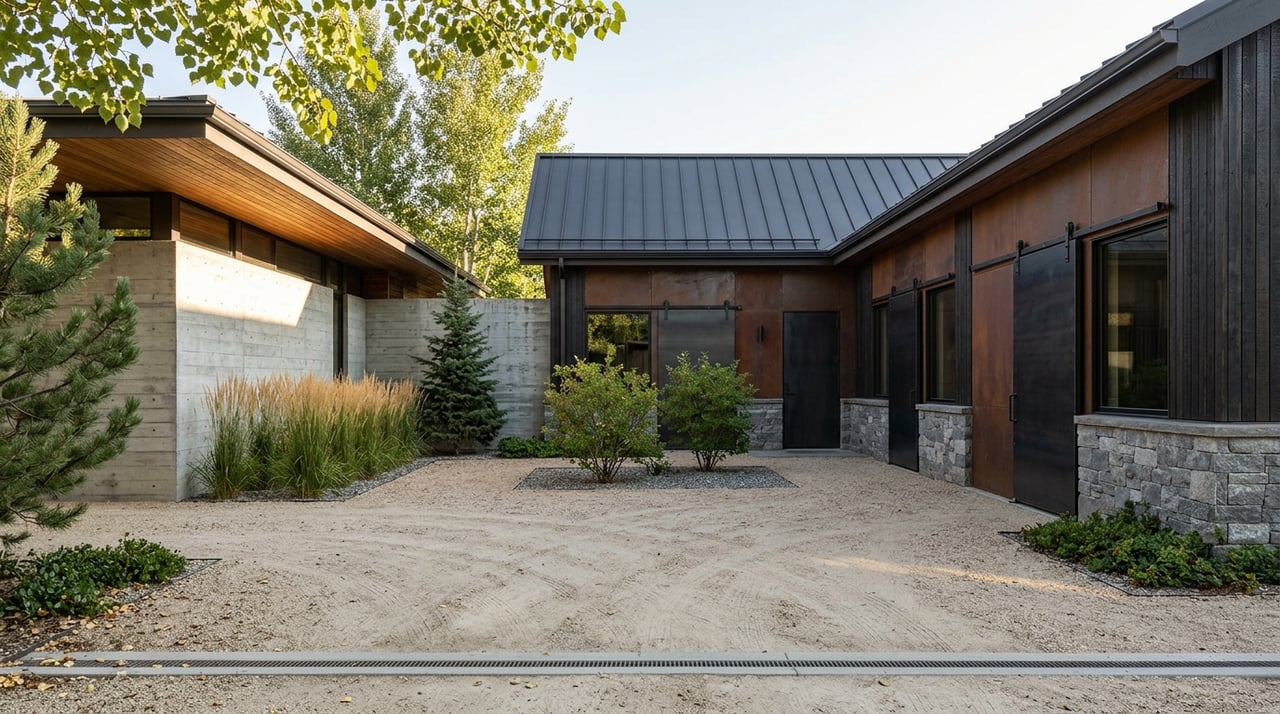
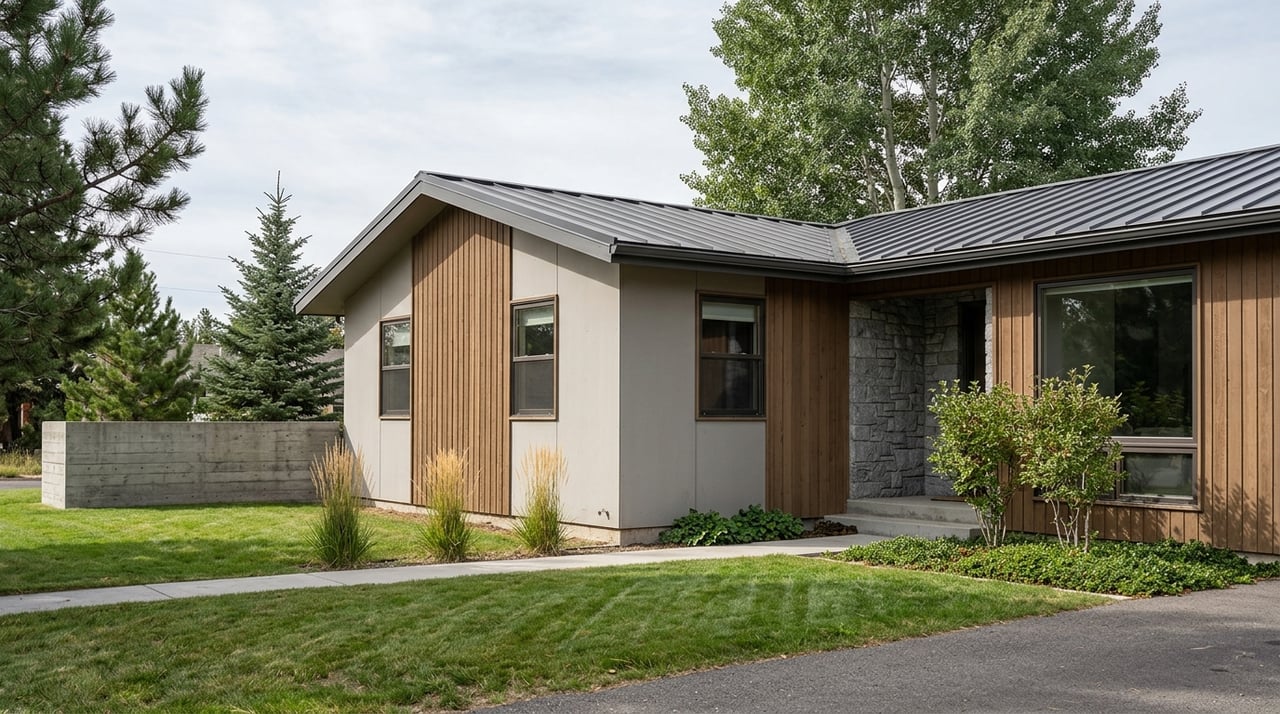
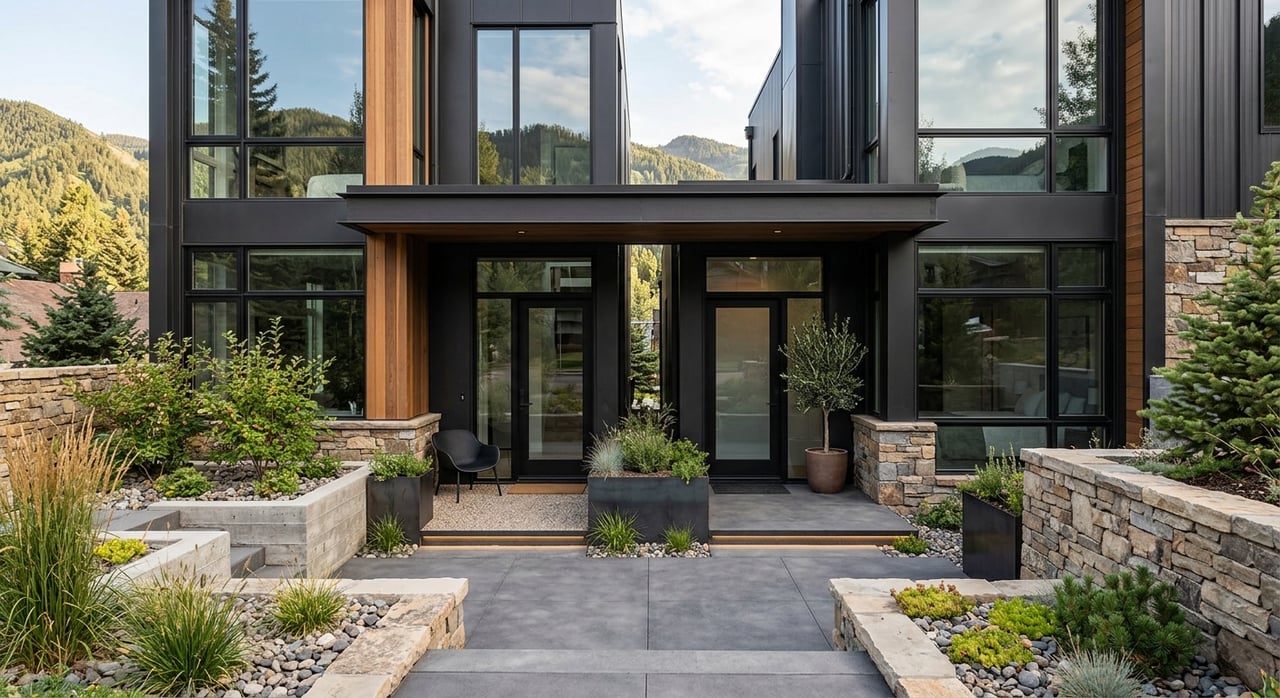
In West Aspen, townhomes often appeal to buyers who want a streamlined ownership experience near skiing and trails. Many offer a more compact footprint with design features that still feel residential, while reducing the amount of exterior upkeep that typically comes with a larger parcel.
This can be especially appealing if you are buying a second home or ski property. Rather than managing extensive grounds, you may be able to focus more on access, ease, and time in Aspen.
A West Aspen townhome does not always feel like a compromise. One Maroon Creek townhome was marketed as offering the privacy and comfort of a single-family home, along with ski-in and ski-out access, hiking access, a private patio, and a two-car garage.
That is an important distinction in this market. If your priority is a lock-and-leave property that still lives well for family and guests, a well-positioned townhome can offer a strong blend of comfort and convenience.
The biggest tradeoff with townhome ownership is often the homeowners association. In West Aspen, HOA dues can be substantial, so you need to weigh them against the services included.
Examples in the corridor show how meaningful those costs can be:
In these examples, dues included combinations of management, insurance, sewer or water, trash, snow removal, and contingency funding. Before you buy, it is smart to compare what the dues cover and confirm reserve strength and any assessment history.
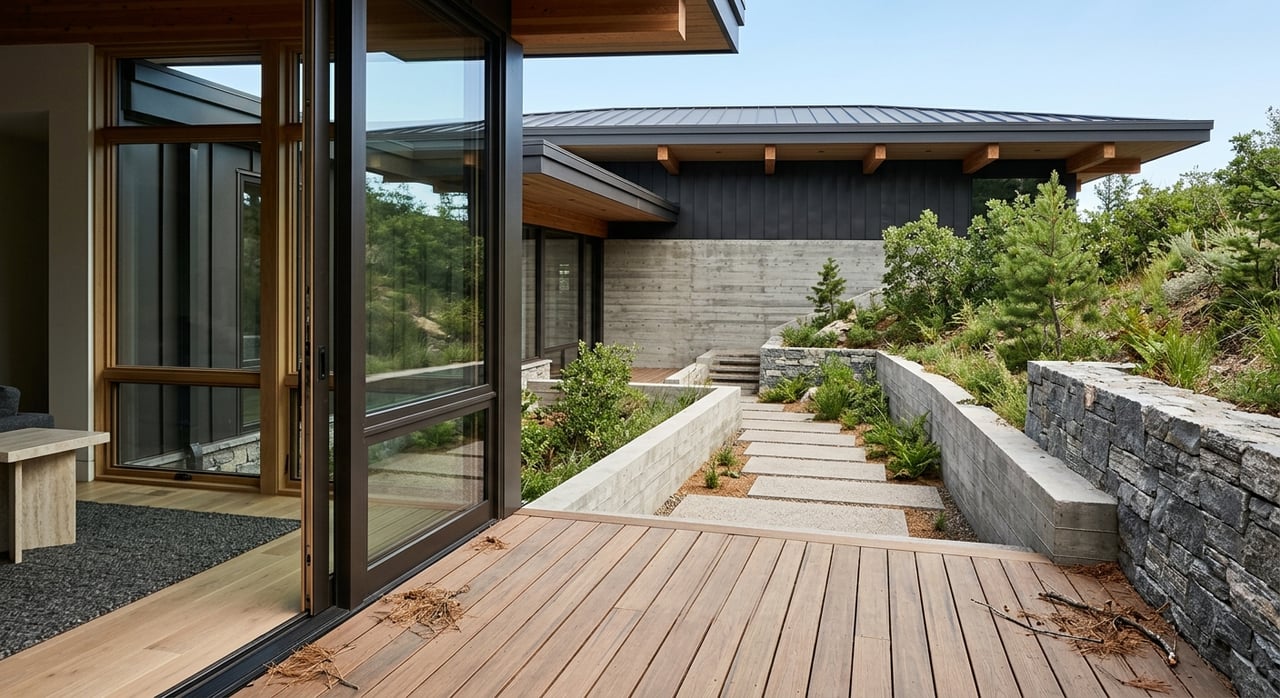
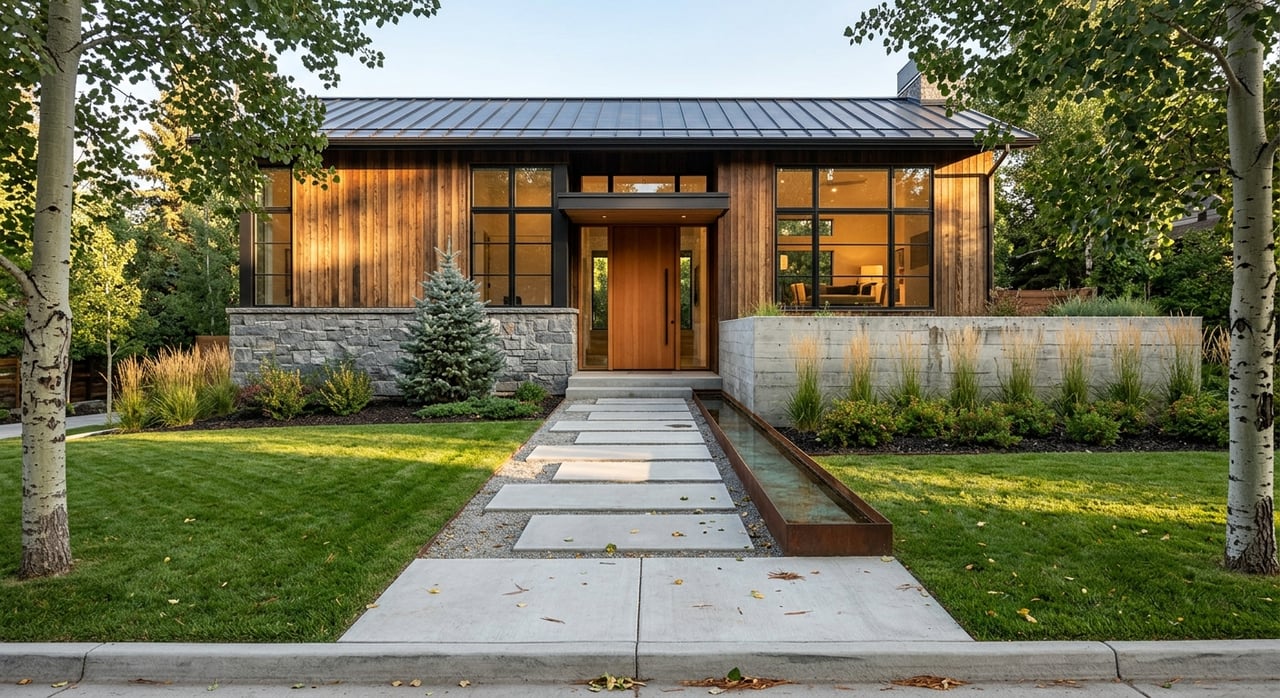
Detached homes in West Aspen usually trade on land, privacy, and site-specific character. If you want more separation, a larger outdoor setting, or a property that feels more tucked away, a single-family home will often be the more natural fit.
That difference shows up clearly in local examples. One Maroon Creek single-family property sits on 2.09 acres with no association and no monthly HOA fees, while a Highlands home is positioned on about 1.9 acres with close access to local amenities.
A detached home changes the ownership profile in a meaningful way. Instead of sharing walls or relying on an HOA structure for certain services, you are more likely to control the land, systems, and maintenance decisions directly.
That can be a major advantage if you value autonomy. It can also mean more responsibility, especially if the property includes larger grounds, gardens, or private infrastructure such as a well and septic system.
It is easy to assume single-family homes are always less convenient than townhomes, but that is not always true in West Aspen. Some detached Highlands homes are close enough to ski lifts, bike paths, schools, and the recreation center to compete well on location.
The key difference is not whether you can be close to amenities. It is whether you want that convenience in a lower-maintenance format or with a larger, more independent ownership experience.
For many buyers, the real question is simple: do you want a compact ski base or more land and separation? Townhomes tend to win when direct access and ease of use are the top priorities. Single-family homes tend to win when outdoor space, privacy, and a more distinct sense of retreat matter most.
Neither option is automatically better. The better choice depends on how you plan to use the property throughout the year.
West Aspen is closely tied to mountain and trail access, and that comes with seasonal rules and traffic patterns. From mid-May through mid-November, Maroon Creek Road access to Maroon Bells is reservation-based and shuttle-only between 8 a.m. and 5 p.m.
During ski season, uphill access at Aspen Highlands is limited to designated routes, and Highland Bowl remains expert terrain that requires a steep hike. In summer, biking to Maroon Bells from Aspen Highlands is a 16.2-mile round trip with about 1,300 feet of climbing. In other words, this area often functions more like a ski-and-trail base than a car-centric suburban setting.
If you are an out-of-market buyer looking for a West Aspen retreat, a townhome may be the stronger fit when you want lock-and-leave convenience, easier exterior maintenance, and strong access to Aspen Highlands or Tiehack.
This option can make sense if you want to arrive, ski, hike, and enjoy Aspen without taking on the full workload of a larger parcel. You may give up land, but you can gain ease and efficiency.
If you plan to spend more time in Aspen, want more outdoor space, or prefer greater separation from neighbors, a detached home may be the better match. You will likely have a higher capital outlay and more maintenance responsibility, but you may also gain privacy, flexibility, and a stronger sense of place.
This can be especially appealing if your priorities include a yard, gardens, or a more independent ownership structure. In West Aspen, those traits are often part of what buyers are paying for.
Before you choose between a West Aspen townhome and a single-family home, focus on a few practical questions:
When you answer those questions honestly, the right fit usually becomes much clearer. In a market like Aspen, lifestyle alignment matters just as much as the financial decision.
If you are weighing West Aspen options, local context matters. The Maroon Creek and Aspen Highlands corridor is nuanced, and the right choice often comes down to matching your ownership style with the property’s location, access, and ongoing responsibilities. For tailored guidance on townhomes, single-family homes, and discreet opportunities in Aspen, connect with the Engel Lansburgh Team.
Stay up to date on the latest real estate trends.