Red Mountain's Real Scarcity Isn't the View. It's the Square Footage Nobody Can Rebuild
October 1, 2026
October 1, 2026
Aspen Daily News reports that since April, the only way in or out of upper Red Mountain has run through a construction zone. Crews working for Stutsman Gerbaz Inc. are replacing 940 feet of aging waterline on Wrights Road, digging up a cast-iron pipe installed in 1973 that has broken seven times in the last five years. The work crews are on-site from 7 a.m. to 7 p.m. Monday through Friday and 8 a.m. to 4 p.m. on Saturdays, a six-day schedule the city's utilities director called one of the most challenging waterline replacements the department has taken on, largely because of the site itself. Aspen City Council signed off on the funding in late March, a year after the project had been paused over legal disputes about road access. The total cost has grown from about $2.7 million to $4 million. The work is due to wrap by the end of October.
For anyone touring or listing a property on Wrights Road this fall, that timeline matters. But the deeper reason it matters is what it reveals about the neighborhood itself. Red Mountain has exactly one road system serving it. There is no detour, no parallel street, no second way up the hill. A project that would be a minor inconvenience almost anywhere else in Aspen becomes the only story on the mountain for six months, because the mountain has no alternate route to offer.
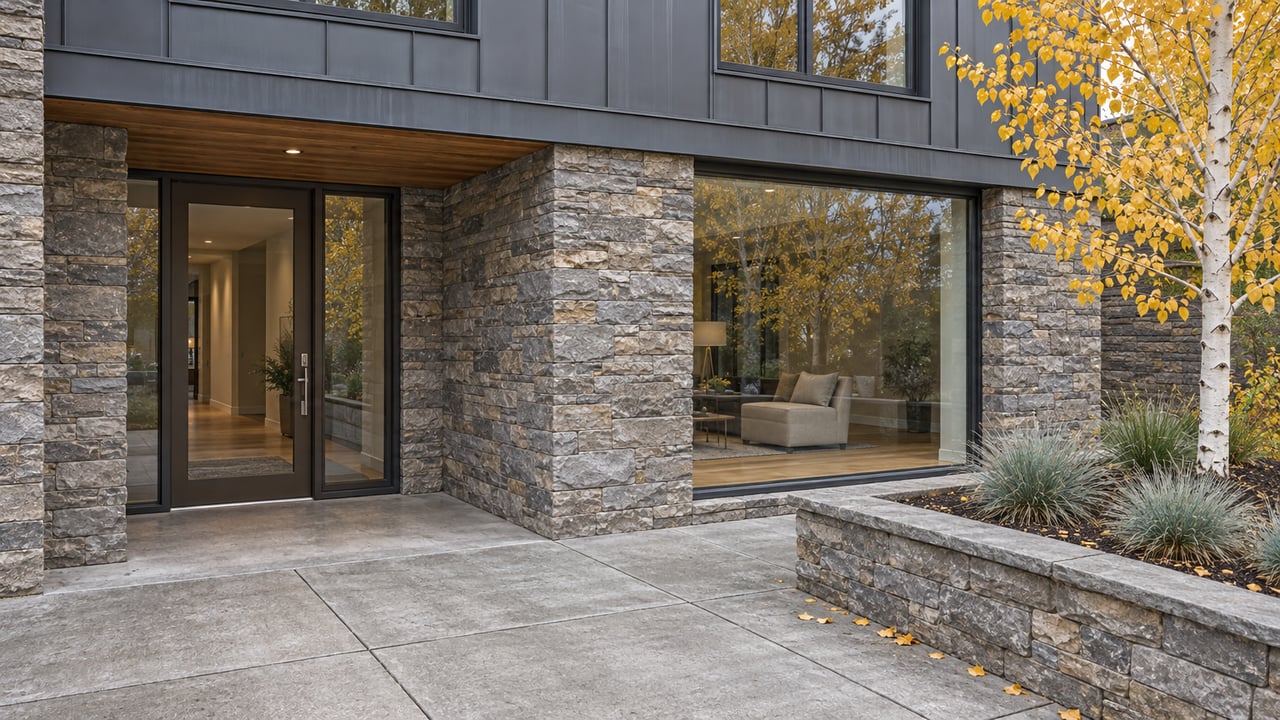
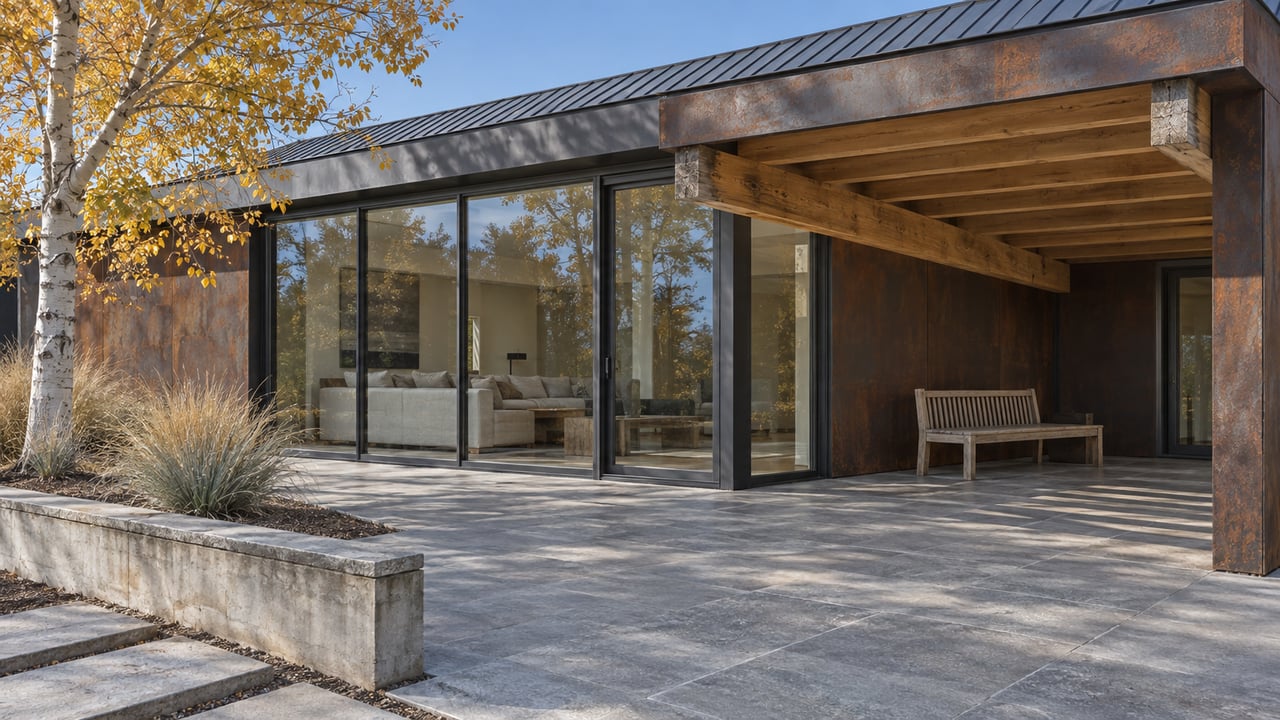
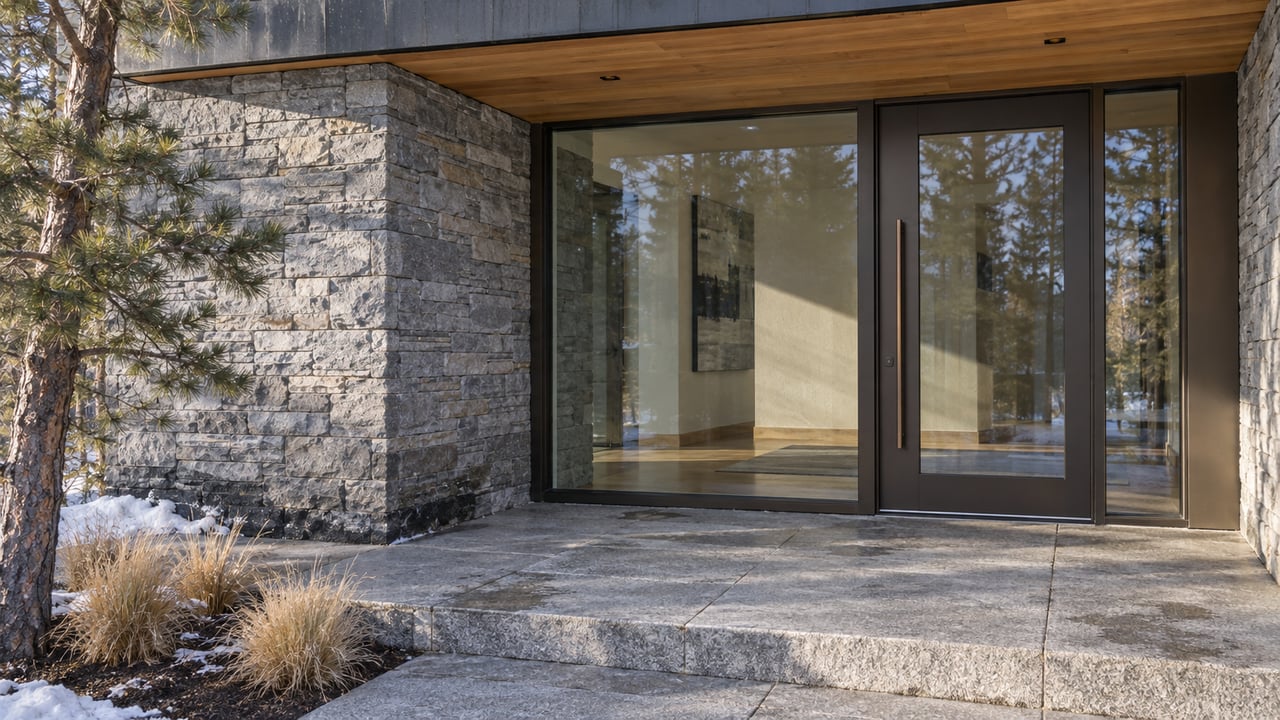
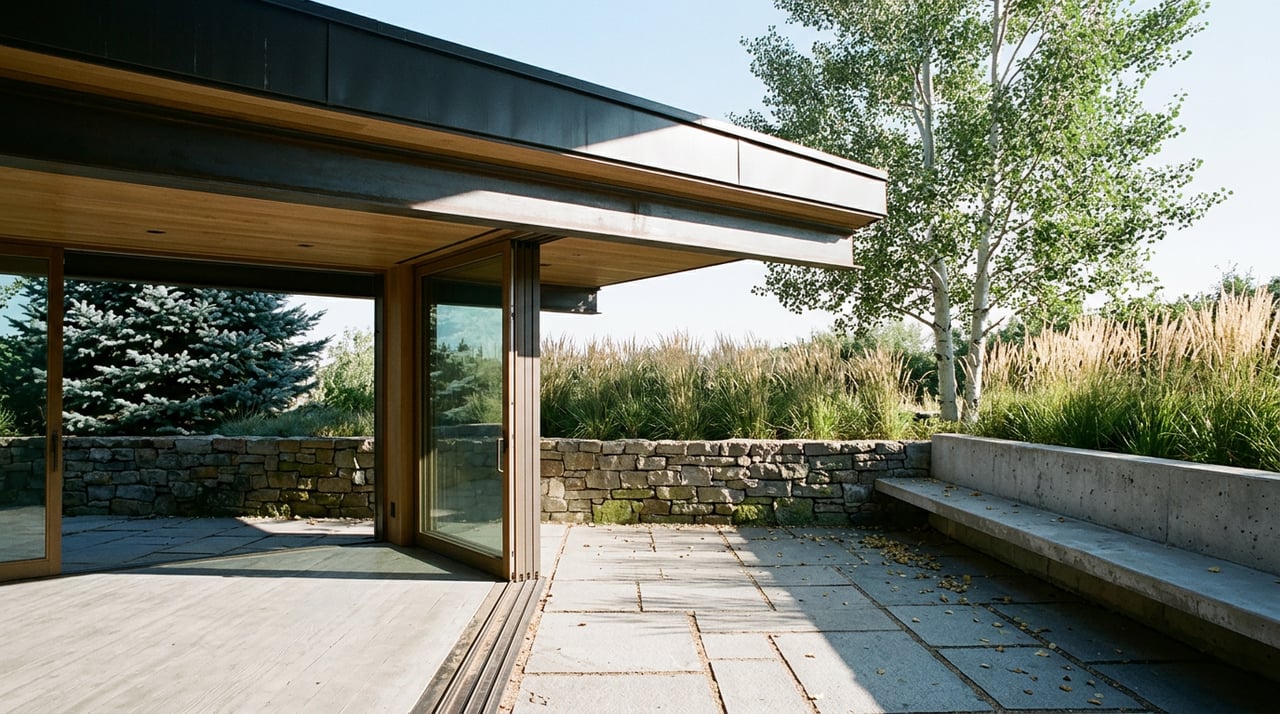
Red Mountain rises directly above Aspen's town core, reached by a short climb along Red Mountain Road from Willoughby Way at the base. Above that, Ridge Road and a handful of private drives branch off toward individual estates higher on the slope. There are no hotels on the mountain, no retail, no restaurants, and functionally no through traffic. Traffic on those roads is primarily for residents and their guests.
That structure is part of what makes the neighborhood function the way it does, and it is also what makes a project like the Wrights Road waterline replacement land so hard. The city had to build a construction schedule around resident access, arrange transportation services for landowners during the heaviest work, and even budget for printing and laminating parking passes, according to the memo that went to city council. None of that would be necessary on a street with alternate egress. On Red Mountain, disruption to the one road is disruption, full stop.
It is a useful reminder for buyers evaluating property here: this is infrastructure serving a small, closed system, some of it original to the 1970s. A waterline failure that would be background noise in a denser part of town becomes a headline event when it happens on the only road serving a few dozen estates.
The waterline is a visible, temporary story. The more durable one is written into zoning code.
Pitkin County's land use rules cap new single-family construction in the county's rural zone districts, the kind that cover most of Red Mountain, at 5,750 square feet of habitable floor area. A buyer who wants a bigger house faces limits under county rules.
Homes running 10,000 to 15,000 square feet, and larger, are common on the mountain. That is the gap that actually matters to a buyer: not the difference between one lot and another, but the difference between what a home already is and what current code would allow there today.
| New construction today | Typical existing Red Mountain estate | |
|---|---|---|
| Habitable floor area allowed | 5,750 sq ft | 10,000 to 15,000+ sq ft |
Land use attorneys who handle floor-area disputes in the valley have put real numbers on what that extra square footage is worth. In one widely cited estimate, local real estate valuation experts put the added fair market value of a single additional square foot of developable floor area at $1,000 to $2,000, with the upper end applying when the extra space allows for another bedroom or usable room. Apply that range to the gap between a 5,750-square-foot cap and an existing 15,000-square-foot estate, a difference of roughly 9,250 square feet, and the entitlement itself implies a premium in the range of $9 million to $18 million. That is a back-of-envelope illustration, not an appraisal, and it says nothing about the view, the address, or the build quality layered on top of it. But it puts a number on a idea buyers often sense without being able to price: the size itself is an asset, independent of what sits on the lot.
The extreme end of that math played out in April 2024, when a Willoughby Way property sold for $108 million, setting Colorado's all-time record for a residential sale. That is not typical of Red Mountain transactions, but it is the ceiling the entitlement math points toward when a rare, irreplicable estate meets a buyer who understands what they are actually purchasing.
It also helps explain why public data on the neighborhood is so thin. Redfin's tracking showed a median Red Mountain sale price of $30.2 million in January 2026, up 125.6 percent from a year earlier, but the site's own disclosure notes that the sample size for this kind of home is too limited to use for trend analysis. That is not a data problem so much as a description of the market. When only a handful of estates change hands in any given stretch, and when a meaningful share of those deals never reach the multiple listing service at all, a monthly median is measuring almost nothing. It is one more version of the same story: the scarcity here is not just in the square footage, it is in how rarely any of it comes up for sale in a form the public can even see.
Much of Red Mountain's real estate changes hands privately, through relationships rather than public marketing, and a meaningful share of it sits under LLC ownership rather than an individual's name. Neither fact is unusual for a neighborhood at this price point, but together they mean that a buyer relying only on portal searches is seeing a partial picture of what is actually available on the mountain at any given time. The properties that never reach a public listing are often the ones where the entitlement math above matters most, because a seller with a large, well-positioned estate has little reason to compete for attention on the open market.
For a buyer trying to compare Red Mountain against other Aspen-area neighborhoods, that has a practical implication. The number on the portal is real, but it describes a fraction of the inventory. The rest requires knowing who owns what, and why they might be willing to sell it.
Can renovations or additions affect a property's floor area? A significant remodel, addition, or teardown can trigger a review under current code, and the Pitkin County R15 zone-district document says nonconforming structures are not automatically eligible for an additional floor-area increase. Anyone considering a major renovation on a grandfathered Red Mountain property should confirm the specific entitlement with Pitkin County or City of Aspen community development staff before finalizing an offer, since the details vary by lot and zone district.
Why did the Wrights Road project take so long to actually start? The waterline work was originally planned roughly a year earlier but was paused over legal concerns tied to road access, according to Aspen Daily News reporting. City council held several executive sessions on the matter before approving the funding that let construction begin this spring, with the goal of finishing before winter.
Red Mountain's price tag gets most of the attention. What it is actually pricing—the extra square footage some existing homes have beyond the baseline cap—is the part worth understanding before you start comparing it to anywhere else in the valley. If you are weighing a purchase on the mountain, or thinking about what an existing estate might be worth if you already own one, the Engel Lansburgh Team can walk through the specifics with you. Request a Confidential Consultation to start that conversation.
This article is general information, not legal, tax or financial advice. Consult a qualified professional about your situation.
Stay up to date on the latest real estate trends.